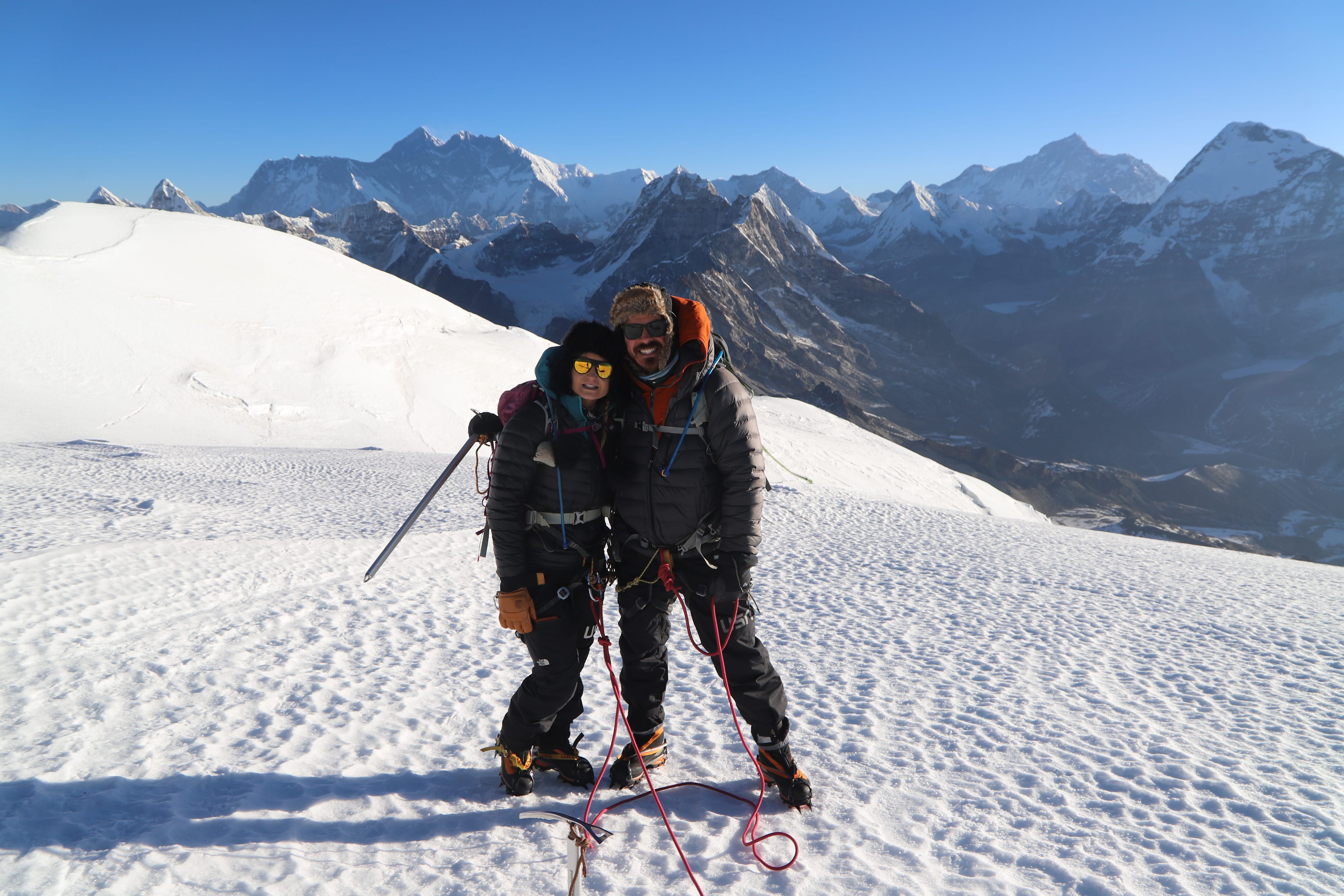
Climbing an 8,000-meter peak is one of the greatest challenges in mountaineering. Reaching the summit requires months of preparation, extensive training, experienced guides and teams, specialised equipment, and careful logistical planning. While many people focus on the final price of an expedition, few understand what that cost actually covers. The cost of an expedition is far more than just obtaining a climbing permit. Every successful climb depends on a large team of professionals, high-quality gear and equipment, transportation, safety measures, food supplies, and emergency support. Whether you are planning to climb Everest, Cho Oyu, Manaslu, Dhaulagiri, Makalu, Kanchenjunga, Annapurna, or another 8,000-meter giant, by understanding these costs, you can better appreciate the effort required for every expedition. Climbing 8,000-meter-high mountains is expensive, but it is one of the most rewarding experiences that you will earn through this expedition.
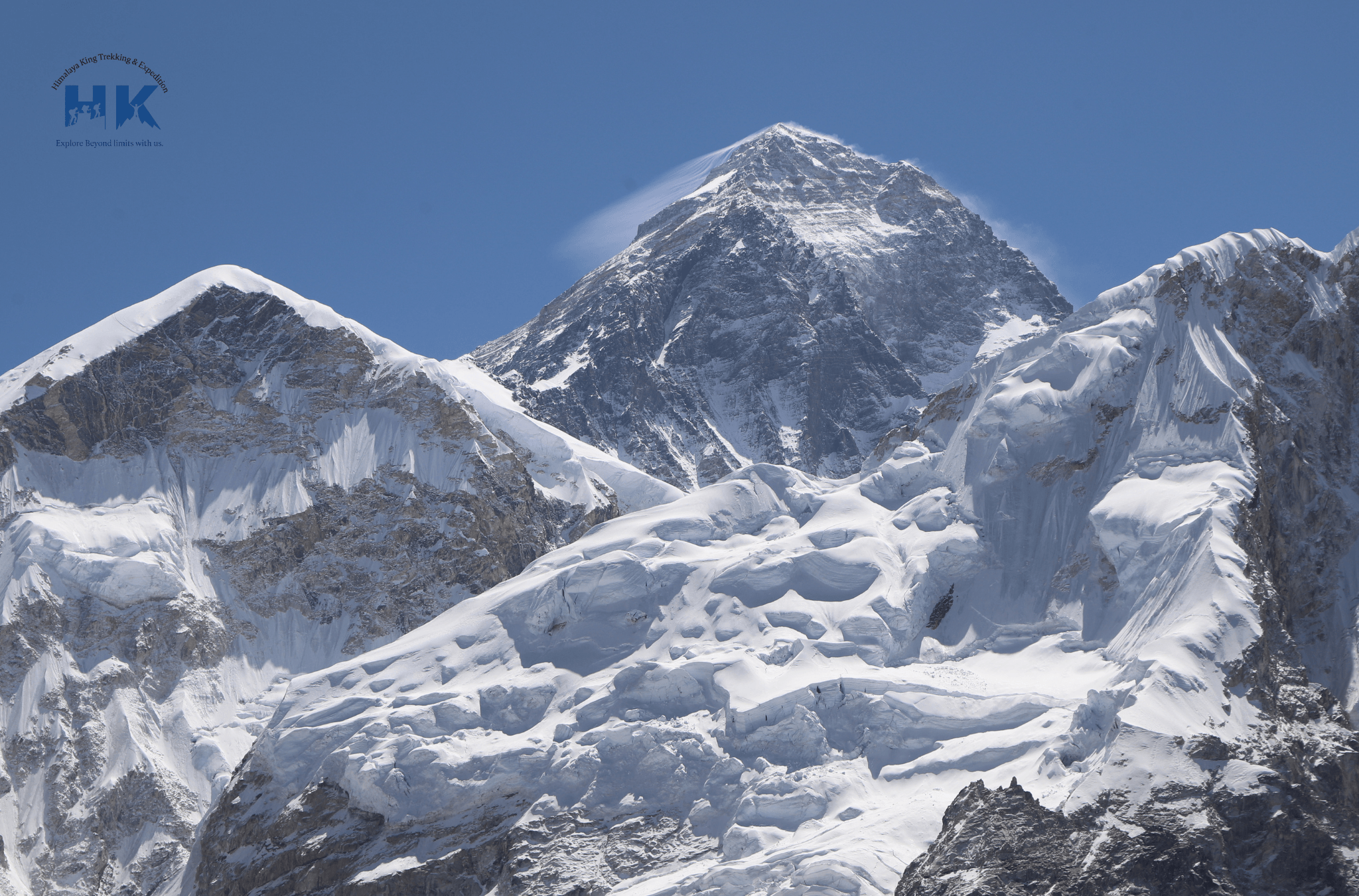
 img: Everest(8848.6m), the highest peak in the world as seen from Dingboche
Why Are 8,000m Expeditions So Expensive?
High-altitude mountaineering takes place in one of the harshest environments on Earth. Climbers face freezing temperatures, unpredictable weather, avalanches, glaciers, crevasses, and extremely low oxygen levels. Supporting a team in such conditions requires months of planning and significant financial investment.
An expedition budget includes not only your personal expenses but also the wages of guides, Sherpas, kitchen staff, porters, permit fees, government fees, transportation, travel insurance, oxygen systems, communication equipment, rescue arrangements, and environmental management.
Climbing Permit Fees
The first major expense is the government mountainnering permit fees. Every country that hosts an 8,000-meter mountain requires climbers to obtain an official permit before attempting the summit. Permit fees vary depending on the mountain, season of climbing, Number of climbers, and Government regulations. Above 8,000 M, permits are issued by the Department of Tourism. These fees contribute to mountain management, conservation, rescue infrastructure, and tourism development.
Base Camp Logistics
Building and operating a comfortable base camp requires considerable resources. Since climbers often stay for several weeks or months, base camp becomes a temporary home where they prepare for the summit push. Typical logistics include dining tents, sleeping tents, kitchen tents, toilet tents, solar charging systems, satellite communication, internet equipment, tables and chairs, heating equipment, water purification systems, and Medical supplies. Expert guides ensure proper logistics, and basecamp services help climbers entirely focus on climbing preparation before they head to high camp. Everything must be transported into remote mountain regions, often by porters, yaks, helicopters, or pack animals.
Sherpa Salaries
Sherpas play a vital role in Himalayan expeditions, and they are the backbone of every successful expedition. Their knowledge, strength, and experience are essential for safe and successful climbs. Sherpa responsibilities include carrying expedition equipment, establishing higher camps, fixing climbing ropes, carrying oxygen cylinders, assisting climbers during summit pushes, monitoring weather conditions, and supporting emergency rescues. Their salaries reflect the skill, dedication, and significant risks they take while working at extreme altitudes.
Climbing Guides
Professional mountain guides are responsible for ensuring climber safety throughout the expedition and helping the climbers to make a successful summit. They assist you with route planning, use of basic mountaineering skills and equipment, technical climbing instruction, acclimatisation schedules, risk assessment, decision-making during difficult weather, and emergency response. Experienced IFMGA-certified or internationally recognized guides command higher fees because of their extensive expertise.
High-Altitude Equipment and Gears
One of the largest expenses is specialised climbing equipment designed for extreme conditions to ensure climber safety. Essential gear includes a down expedition suit, double or triple-layer mountaineering boots, crampons, an ice axe, helmet, harness, ascenders and descenders, carabiners, sleeping bag, high-altitude backpack, goggles, gloves, headlamp, and trekking poles. Quality equipment and gear improve safety, comfort, and performance in severe environments.
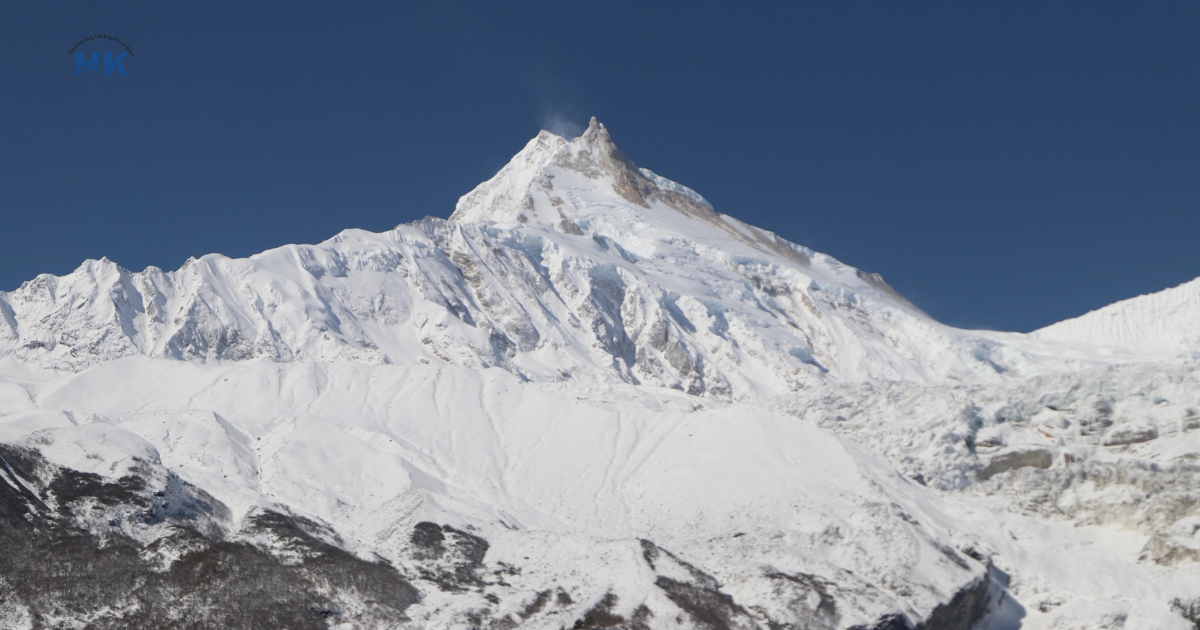
img: Manaslu(8163m), worlds 8th highest peak and the one of the most difficult
Oxygen Systems
Most climbers use supplemental oxygen on peaks above 8,000 meters. The oxygen system generally includes oxygen cylinders, oxygen masks, regulators, backup cylinders, transportation of oxygen to higher camps, and additional climbing Sherpas are often required to carry and manage oxygen supplies during summit attempts.
Food and Kitchen Services
Proper nutrition is essential during long expeditions. Meals are carefully planned to provide enough calories for demanding climbs. Meals during your expedition include fresh vegetables, fruits, rice, pasta, meat, eggs, soup, bread, energy bars, tea and coffee, hot drinks, snacks, and professional cooks prepare meals from base camp throughout the expedition, which helps to improve your immunity at high altitude and keep you safe from Altitude Mountain Sickness.
Transportation Costs
Getting to an 8,000-meter mountain often involves multiple forms of transportation. These may include International flights, Domestic flights, Jeep transportation (in the case of bad weather), helicopter services (optional), yak transport at high altitude, porter services, and remote mountain regions significantly increase transportation expenses.
Accommodation Before/After the Expedition and on the way to the expedition
Most expedition packages include hotel accommodation before departure and after returning from the mountain. Hotels provide climbers with time to prepare and check equipment before heading toward the expedition, meet the expedition team and climbing guides, attend briefings about the upcoming expedition, and recover after the expedition. When climbers enter the gateway to the mountains, there will be a tea house where climbers can stay overnight before basecamp arrival.
Insurance
Expedition insurance is essential because climbing at extreme altitude carries significant risk. Insurance is mandatory during any travel and trip, as it may cover your emergency helicopter evacuation, medical treatment, rescue operations, trip cancellation, lost equipment, personal accidents, and many operators require climbers to have adequate insurance before joining an expedition to make your expedition safe and comfortable during climbing.
Environmental and Waste Management
Responsible expedition companies follow strict environmental guidelines. Costs include garbage collection, human waste management, base camp cleaning, recycling, deposit systems required by local authorities, and protecting the fragile Himalayan environment have become an important part of modern mountaineering for upcoming generations. Waste management is essential to keep the raw beauty of the Himalayas and nature, and not letting them be harmed by human activities. Saving nature is our right because it provides us with unforgettable views and a lot of experience and memories.
Communication and Safety Equipment
Reliable communication is critical in remote mountain environments. Communication plays an important role in an expedition. Common equipment includes satellite phones, GPS devices, radios, weather forecasting services, emergency locator devices, and solar charging systems. These tools help expedition teams respond quickly to changing mountain conditions and help to ensure everyone's safety during any emergency.
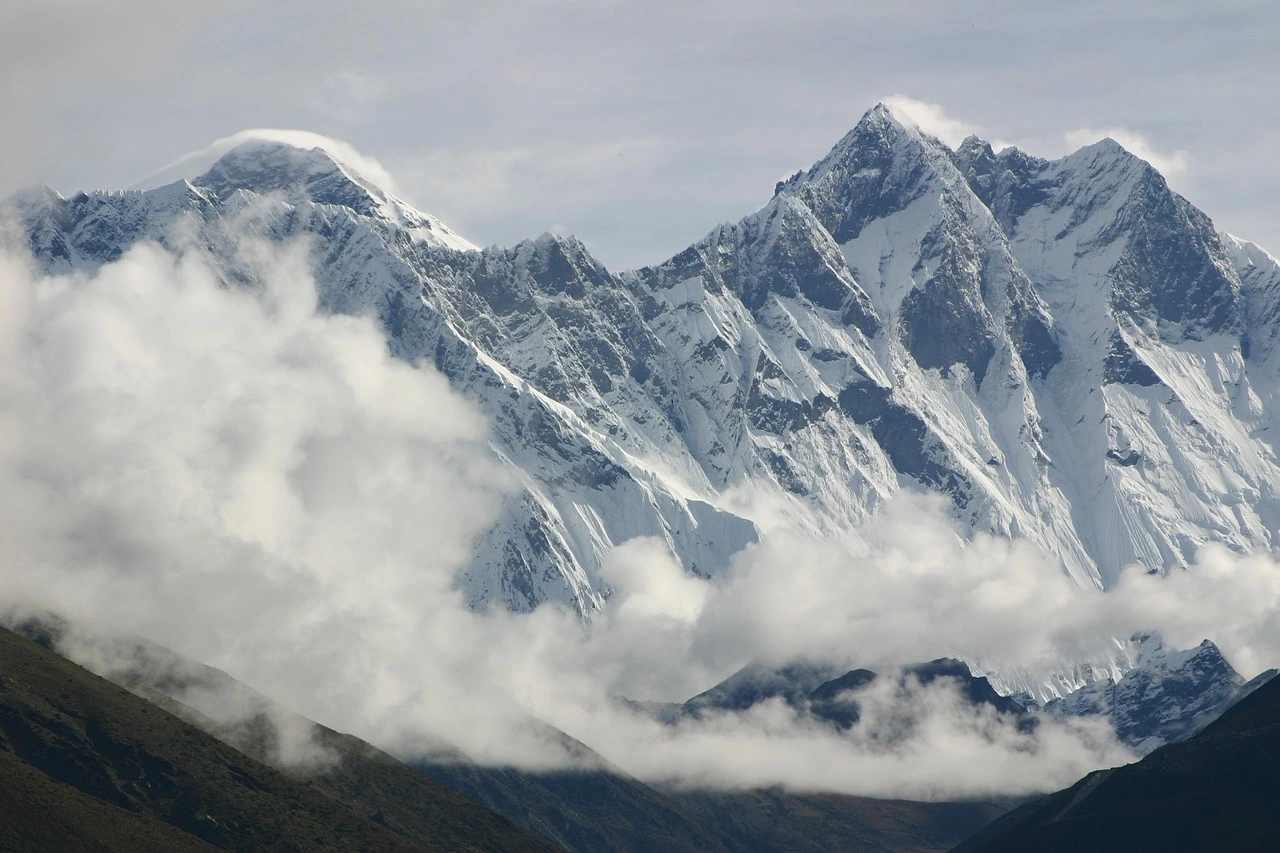
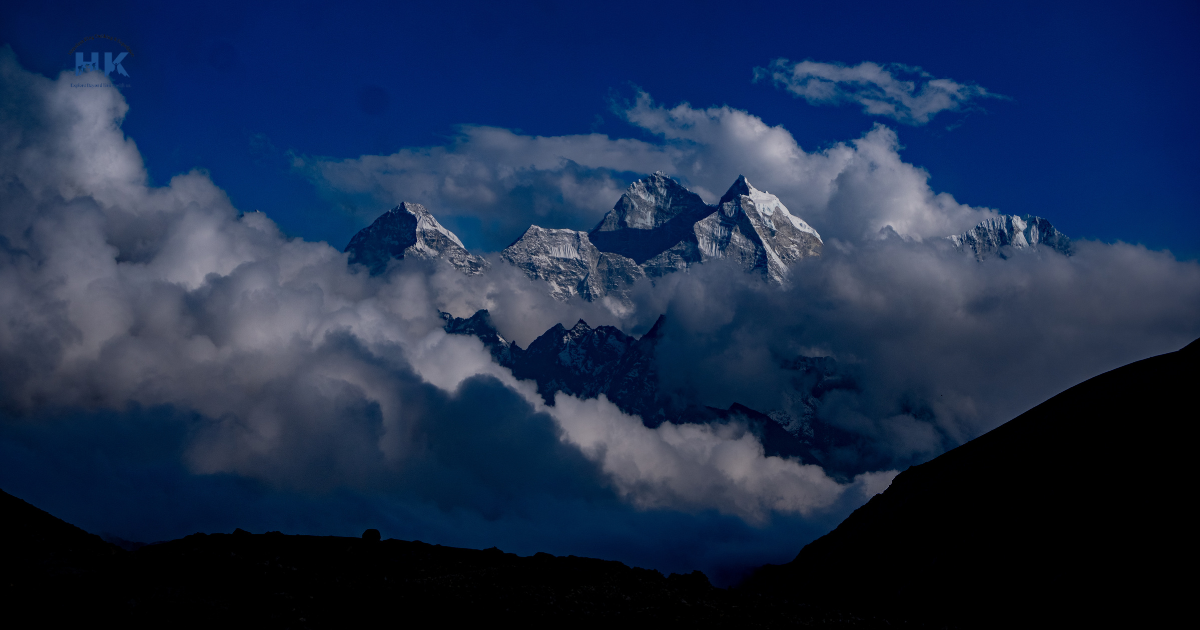
img: Lhotse(8516m), world's 4th highest peak, just beside the Everest.
Cost Influence of an 8,000-meter High Expedition
An 8,000-meter peak expedition involves a wide range of costs that go far beyond obtaining a climbing permit. The total budget includes the government climbing permit and national park or conservation area entry fees. Accommodation and meals are provided throughout the journey, including hotels before and after the expedition, tea houses during the trek, and tents at base camp and higher camps. In addition, the expedition budget includes the services of experienced Sherpa guides and porters, whose responsibilities range from route preparation and rope fixing to carrying equipment, managing oxygen, and ensuring the safety of climbers throughout the ascent. Group size has a significant impact because larger groups can share many operational expenses, reducing the cost per participant. While, private expeditions are generally more expensive. The climbing season also affects pricing, as spring expeditions usually cost more due to favourable weather and high demand. Climbing permit fees depend upon the season and Mountains; during peak seasons (Spring and Autumn), permit fees are high, while off-season (Summer and Autumn) costs are lower than in the spring and autumn seasons. 8,000-meter mountains permit fees are similar, except for Mount Everest and Mt. Manaslu. Expedition duration is another key factor, since longer climbs require additional food, accommodation, staff wages, and equipment use throughout the stay period. Logistics become more expensive for remote mountains that require multiple flights, helicopter support, or extended trekking routes. The level of accommodation and services also influences the final price, with standard packages offering essential facilities and luxury packages providing upgraded hotels, private guides, helicopter transfers, and premium base camp services. Furthermore, customized itineraries, additional acclimatization days, and personal preferences can increase the overall cost, making every expedition unique in both experience and budget.
The overall cost of an 8,000-meter expedition generally includes government permit fees, restricted and conservation area entry fees, base camp logistics, sherpa salaries, professional climbing guides, high-altitude equipment, supplemental oxygen, food and kitchen services, transportation, hotel accommodation, insurance, waste management/ Garbage deposit, communication systems, and emergency rescue preparation.
The cost of climbing an 8,000-meter peak reflects far more than the journey to the summit. Every expedition is supported by months of planning and the dedication of experienced guides, Sherpas, logistics teams, cooks, and support staff who work together to create the safest possible climbing experience. Understanding where the money goes helps climbers appreciate the true value of a professionally organised expedition and avoid misunderstandings. Investing in experienced support, reliable equipment, and comprehensive safety measures is not simply an added expense; it is one of the most important factors in increasing the chances of a safe and successful climb while respecting the mountain environment.
|
Planning a Trip? Get a free consultation from our travel experts with over a decade of experience. |

Chhiring Sherpa
Operation Department
Adventure Awaits — Let’s Begin Your Journey