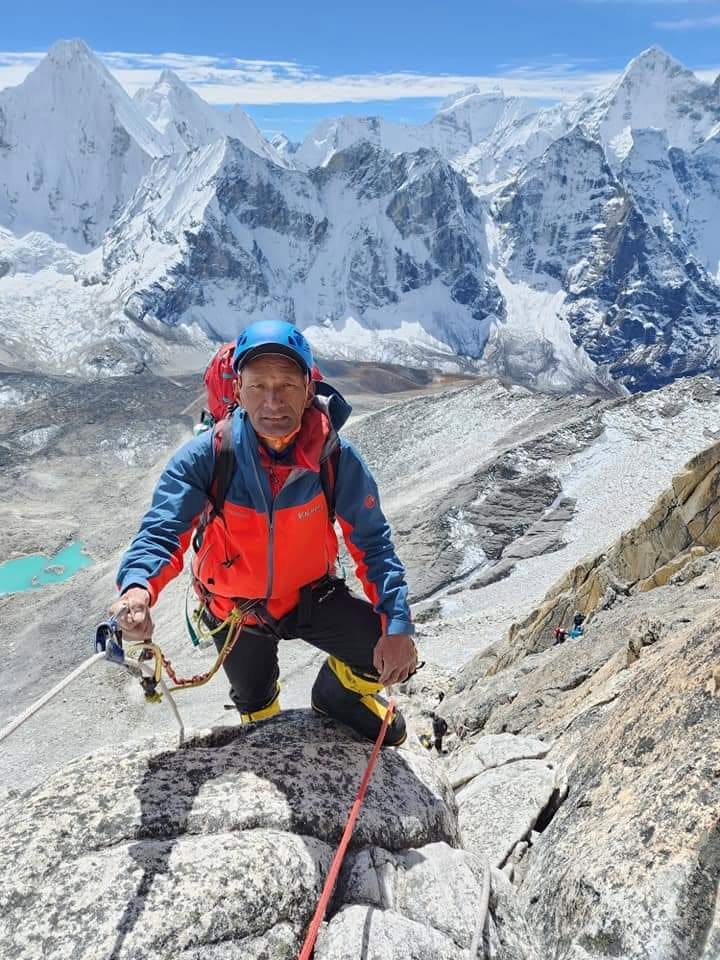
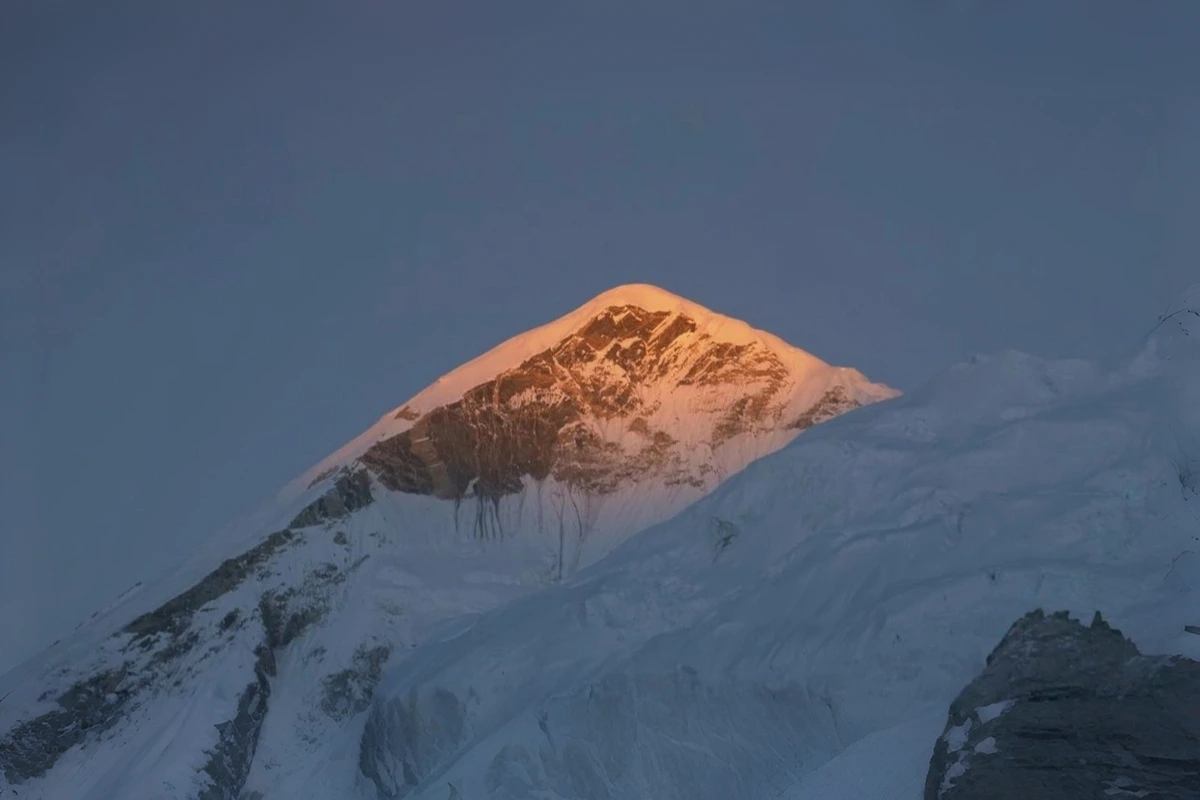
banner

Mt. Everest Expedition (8848.86m)

Overview

Mount Everest Expedition Overview

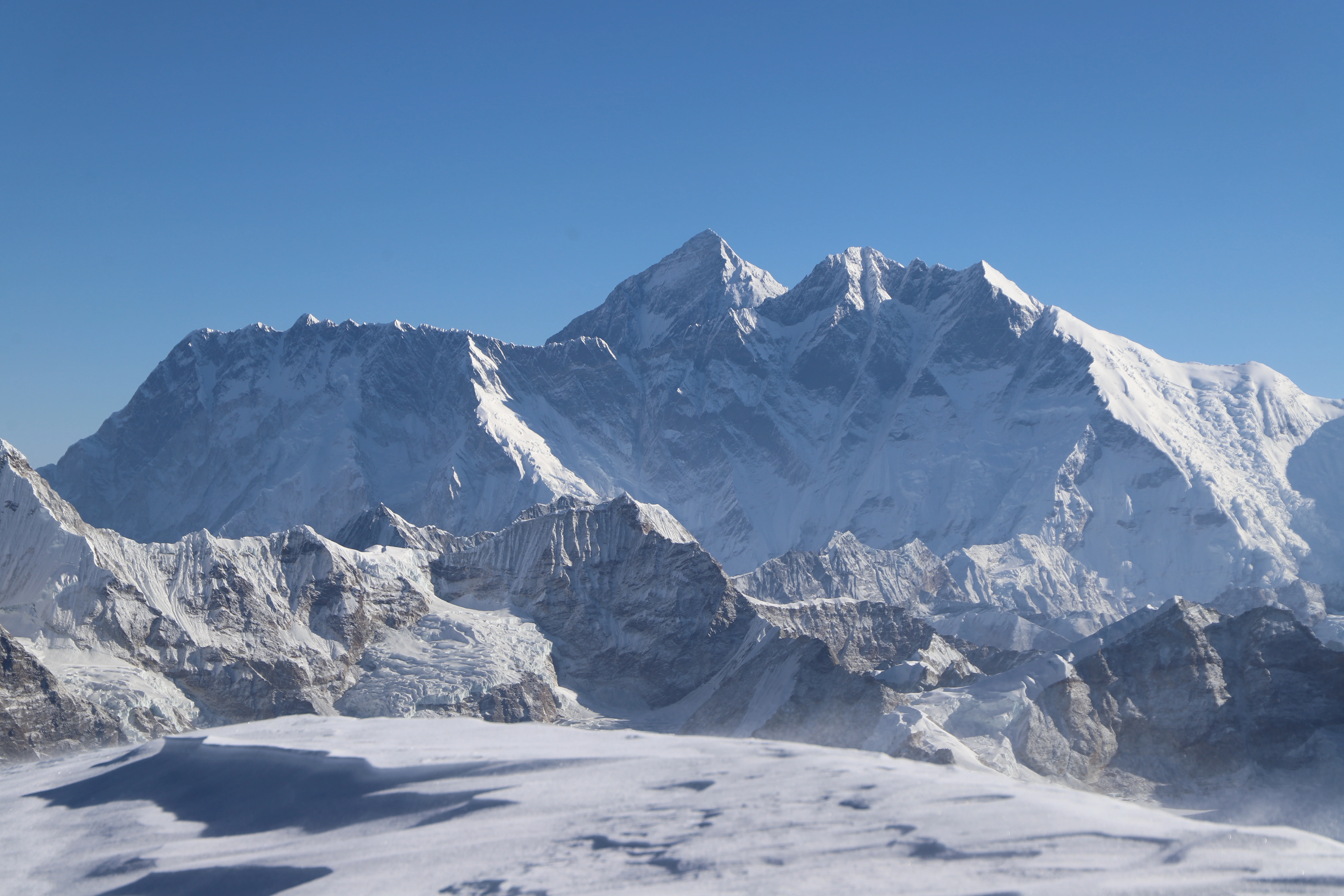
The Mt. Everest Expedition 2026/2027 is a top-tier climbing adventure for mountaineers and climbers who dream of summiting the highest peak in the world. With an altitude of 8849.86m (29,031.7 ft), Mt. Everest stands as the highest peak in the world at the edge of the Himalayas. Locally known as "Sagarmatha" and as "Chomolungma" in Tibetian as well Sherpa community, it offers an ultimate mountaineering achievement as well as a challenging journey, which is admired as a life-changing experience.
​
Everest summit has always been an adventure icon in the Himalayas. Being home to the highest peak in the world, the Everest Region itself is now an adventure hub for various adventure activities. The activities like trekking, climbing, and expeditions make it an iconic region to explore and to experience the unforgettable outdoor activities.
 
The fully guided expedition with Himalayan King combines professionally managed logistics, expert sherpa support, and a carefully scheduled itinerary, ensuring both safety and summit success. The journey itself is an unforgettable experience, starting from the heritage city of Kathmandu, connecting the Everest Region via one of the most scenic mountain flights to Lukla. It is the gateway to Everest. Later, the trekking journey up to the Base Camp offers the trail passing through the Sherpa villages, monasteries, alpine landscapes, and dramatic glacial scenery.
 
At the Everest Base Camp, climbers get an extensive training and preparation before proceeding with the further climb. The demanding climb through Camp I, Camp II, Camp III, and South Col, involves challenging and difficult factors, like geography, weather, altitude, and difficult ascents. So, it includes navigating the Khumbu Icefall, high altitude roughness, as well as technical terrains with the guidance of highly experienced sherpas. Along with such factors, comprehensive expedition support also involves fixed ropes, oxygen system, weather forecasting, communication, and equipped base camp services to ensure each and every step with safety and proper acclimatization.
 
This Everest summit is an extensive experience that tests physical endurance, mental resilience, and determination at the highest level, challenging the terrains, weather, and extreme altitude. From the scenic, breathtaking Himalayan panorama to standing at the top of the world, every step of the expedition delivers a profound sense of achievement and intense adventure, conquering the challenges of high-altitude terrains.
 
Whether the mountainers or adventurers, pursuing a lifelong dream to conquer the highest peak or pushing the limits of high-altitude climbing, the Everest Expedition 2026 with Himalaya King offers a once-in-a-lifetime opportunity to experience one of the greatest and most iconic adventures in the world.


Best Time for Everest Expedition

For mountaineers, a successful summit means a benchmark as well as a milestone in their ambition. And for a successful summit, the best season for expeditions is a very important and necessary aspect. It plays a vital role in the summit rate as well as in safety too.
 
So, choosing the right time in the right season is important planning, especially if the expedition goes to an extreme altitude like on Everest. The best time is considered based on its features, factors, and aspects from which climbers and mountaineers can take advantage for their successful summit. It also involves consultation with expert Sherpa guides as well as experienced climbers.
 

Spring the Best Season for Everest Expedition  (April-May)

Spring is considered the best time for the Everest Expedition. Its favourable weather, logistical advantages, and temperature makes it the best season for climbing Everest. During the time of spring, it offers ome of the best and vital marks in adventures, such as,
 
Weather: During the season of Spring, the weather will become stable, which is one of the core factors for a successful summit.
 
Visibility: The visibility will be one of the finest in the year. It provides breathtaking view opportunities as well as making expedition navigation easier.
 
Logistics and Fixed Ropes: Due to most of the expeditions happening during Spring, the vast majority of commercial expeditions operate, leading directly to maintaining the routes through Khumbu Icefall earlier as well as fixed ropes all along the way.
 
Blossoming Time: Besides the expedition, one of the most admired trek, of Everest Base Camp Trek on the itinerary. So, during the season of spring, climbers get to enjoy the blossoming landscapes of Everest.


Our Expert Team For Everest Expedition

We provide coordination and a very precisely crafted expedition, ensuring the safety of climbers with experience of decades on the altitude from our expert Sherpa Guides who have summited Everest multiple times. Our team is built with the most successful and remarkable images in mountaineering, adventure experts, elite management, as well as within a great teamwork frame.
 
The ultimate motive of our team is to provide professional support for climbers and be a companion in their ambitious journey into the Himalayas.
 
For the Everest Expedition, our team combines expedition leaders, Expert climbing instructors, experienced guides and porters, as well as supporting members in different fields stand by, to ensure the availability of team members in any conditions.
​

Our Exped Leads for Everest Expedition

➢22 times successful Everest summit


➢5 times successful Everest Summit (from both sides)


Our Expert Instructor for Everest Expedition

➢11 times successful Everest summit

 
Along with elite leads, instructor, expert guide, our whole team is structured to provide best-tier service during the expedition and make climbers' dreams come true, ensuring safety with top-tier navigation and management.
 
To know more about Our Team, Click Here.
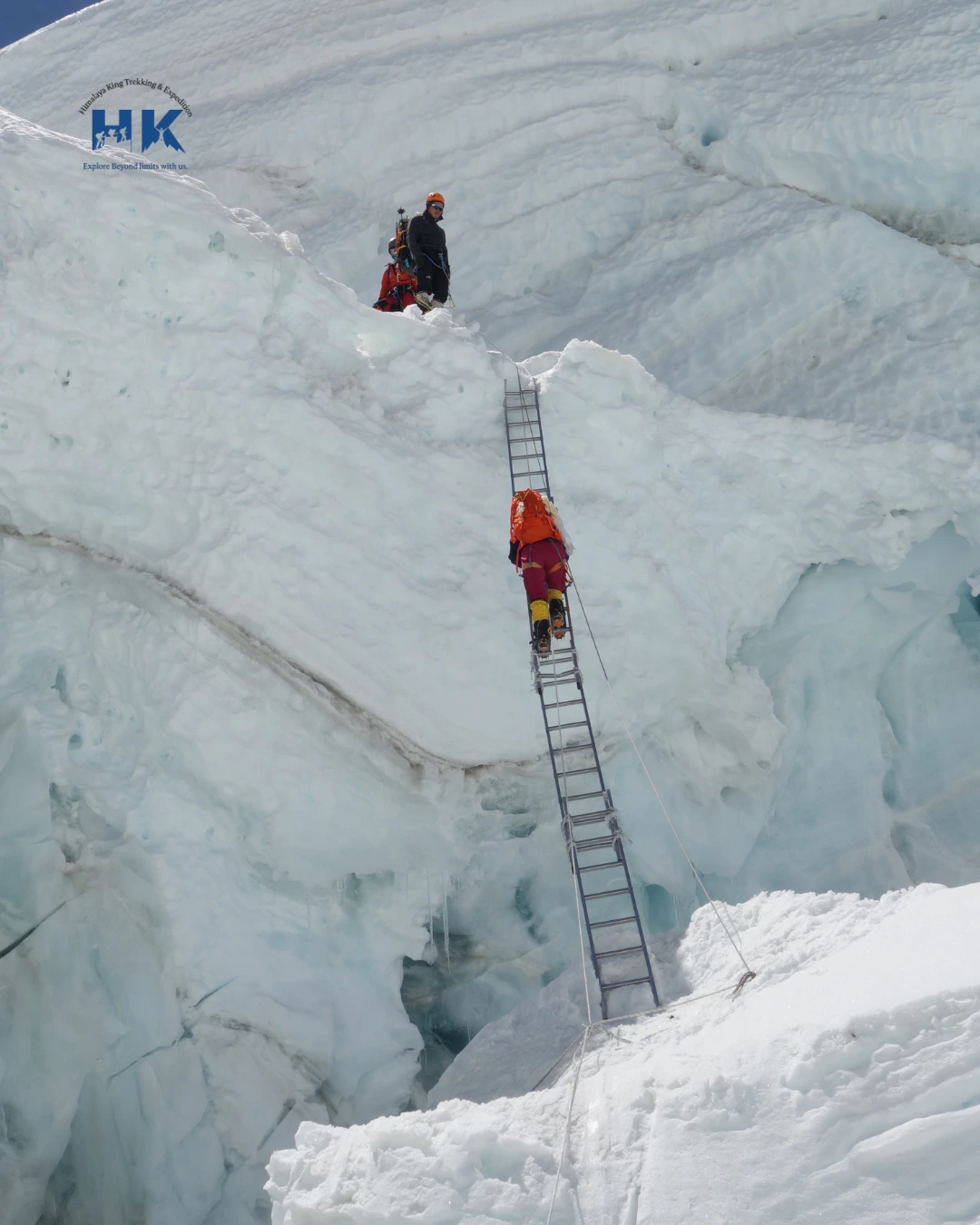
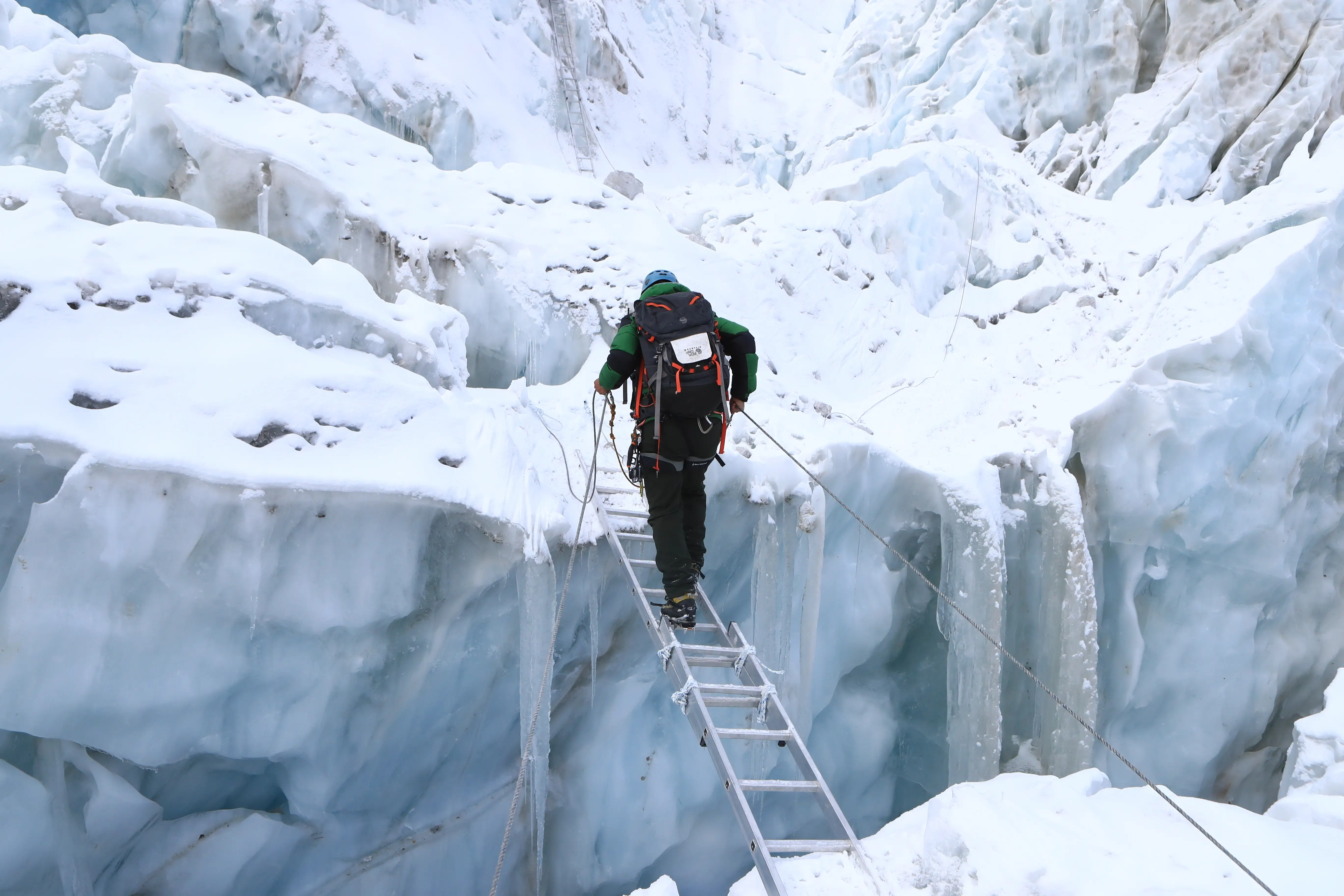
img; Our Expert  Sherpa Guide supporting our climber/client to cross the Khumbu Icefall during Everest Expedition.


Permits for Everest Expedition Breakdown

Everest Expedition is an elite mountaineering adventure and seeks a dedicated spirit to complete. As well, due to the hardcore adventure factors, it needs strict permit work from the Government of Nepal.
​
Inside the Everest Region, under the Sagarmatha National Park, multiple permits, including trekking as well as climbing permission, are required.
 
Also, the permit and its price differ from season to season due to its availability and various factors such as operational difficulties, logistical structure, route availiability, etc. The permits are mandatory government regulations which too include environmental deposits and insurance coverages administered by the Nepal Ministry of Culture, Tourism and Civil Aviation and local district authorities of Solukhumbu District.
Here is the breakdown of prices for the permits required for climbing Everest,
 

Mount Everest Climbing Royalty Permit

From Department of Tourism
Spring season(April-May)
$15,000 USD per foreign climber
 
Autumn Season(Sept-Nov)
$7,500 USD per foreign Climber
 
Permit Duration: Valid for 55 days from arrival at Base Camp.


Sagaramatha National Park Entry Permit

From Khumbu Pasang Lhamu Rural Municipality

NPR 2,000-3,000 ($15USD-$25USD) per climber/trekker


Mandatory Logistic Deposits and Operational Costs

Garbage and Environmental Deposit

$4,000USD per team.
The deposit fee for garbage is refundable upon returning all garbage, waste, and gear to Everest Base Camp for proper disposal, which was produced/used during the expedition.
 

Government Liaison Officer

$3,000 USD per team,
It also includes daily allowances, insurance, and equipment for the assigned official.
​

Icefall Route Fixing Fee

$600-$1000USD per climber
Paid to the Sagarmatha Pollution Control Committee for fixing and maintaining the ladders/ropes through the Khumbu Icefall
 

Compulsory Insurance Requirement for Expedition Staffs

High Altitude Guide Medical/Accident Insurance

$300-500 USD
It covers minimum coverage of $14,400 USD per staff member during required circumtances
 

Everest Base Camp Support staff insurance

$150-250 USD
It covers minimum coverage of $10,800 USD per worker during requied circumtances
 

Emergency Helicopter Rescue and Death Repatriation Cover
Mandatory for all high-altitude staff and team
It covers minimum coverage of $4,000-$10,000 USD per evacuation flight during required circumtances
​
All of the above are the permits that a climber needs to have during the expedition. These are the strict rules and regulations from the Government of Nepal and are mandatory for all the climbers, mountaineers, adventurers, and travelers who want to climb Mount Everest.
​
With us at Himalaya King Trekking and Expedition, all the paperwork and permits are managed by our team, with every detail in consideration and properly managed execution, so that our climbers and mountaineers get to focus fully on their expedition and experience every moment during the climbing process.


Success Rate for Successful Everest Summit

Sucessful summit rate of Everest Summit is considered 43-60 percent. With Himalaya King Trekking and Expedition, we ensure 90-100 percent of successful summits with our past record of no unsuccessful expedition or return halfway due to any circumstances.
 
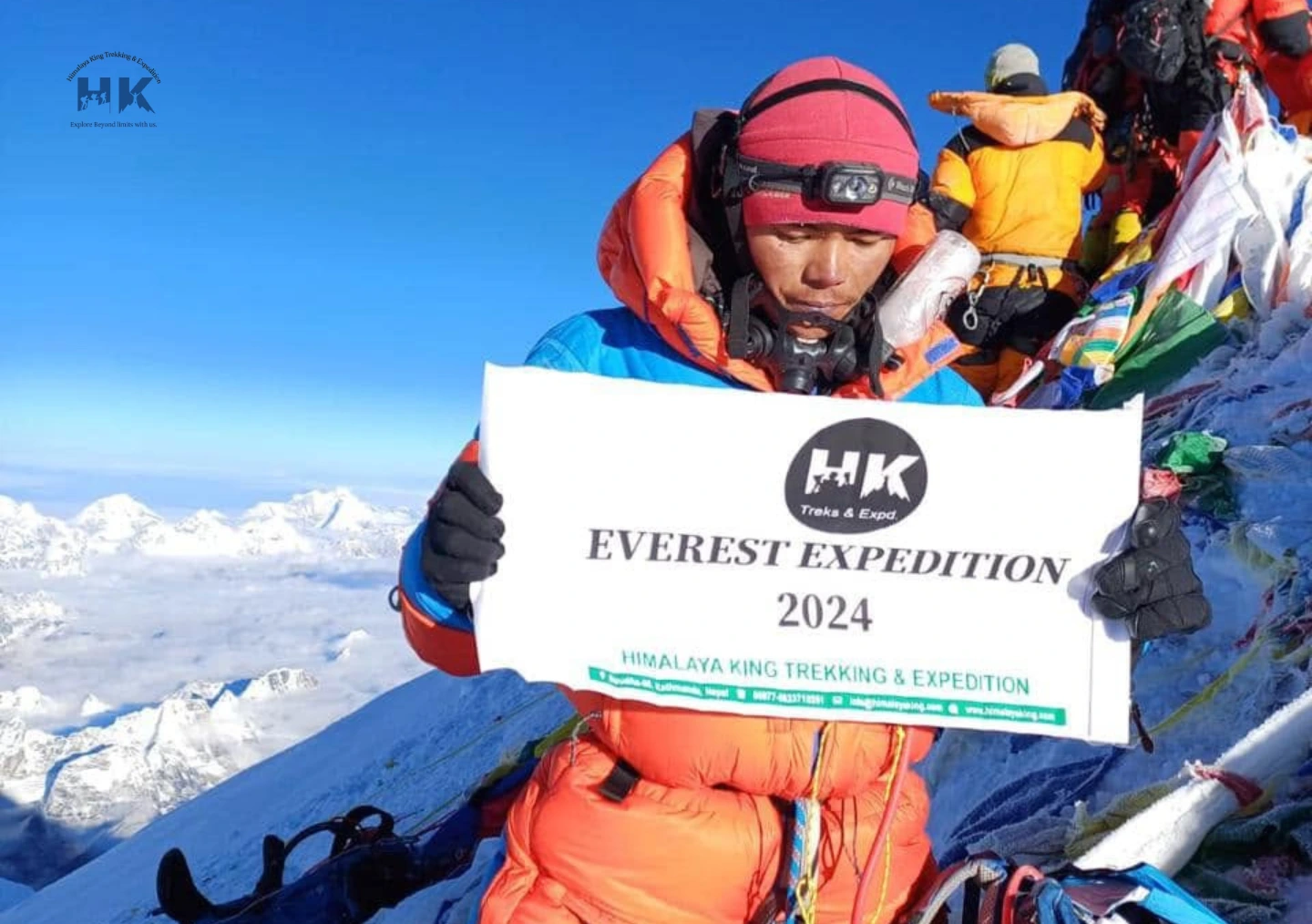
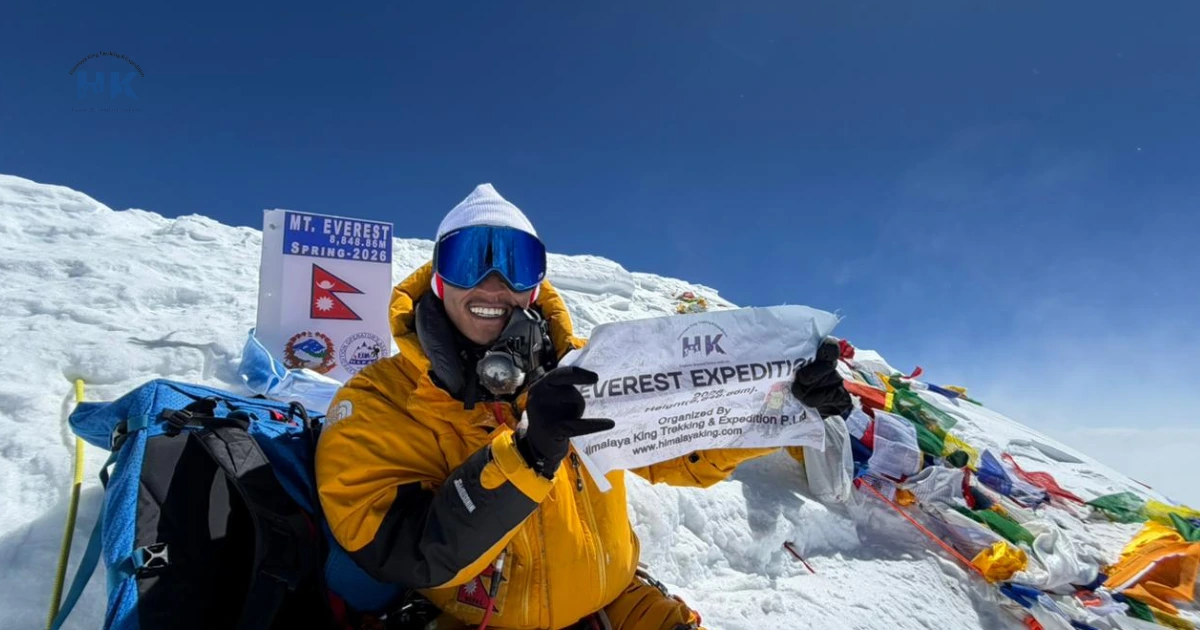
img: Our Expert Sherpa Guide representing Himalaya King Trekking and Expedition at the top of Mt. Everest after successful summit.
 
Such a successful Everest summit record from us was possible due to our highly dedicated team working on operational management, itinerary design, and precise logistical structure from decades in high-altitude. As well, our elite Sherpa climbers, who have already summited Mount Everest tens of times, are exceptionally well-known about the weather patterns, ice routes, geographical pinpoints, as well as highly active in emergency response.
 
With such a precise and highly dedicated team, we are passionate about becoming the companion of climbers' successful journey to the top of the world.


7000m Rule for Climbing Everest

A new resolution of rule for mandatory 7000m regulation from the Government has changed some aspects of Everest Expedition. Now after the new regulation, climbers must obtain a certified successful climb and summit of any 7000m class peaks before they try for Mount Everest.
 
It means if a mountaineer or climbers who is heading or targeting to summit Everest must completely climb any mountain which is above 7000m in altitude. It is introduced with a goal to maintain the safety of climbing and the climbers as well, considering the best practices in adventure in the Himalayas.
 
To know more and in detail, you can see our detailed guide of Nepal's new 7000m Everest Recruitment.
 
With the recommendation and experience from our elite climbers and Sherpa Guides, we recommend:
Altitude: 7,126m
Duration: 28 Days
​
Altitude: 7,129m
Duration: 38 Days
​
These mountain peaks offer an extraordinary experience for climbers of all levers from intimidated to even elites, for practice before moving to the 8000m class peaks. Himlung and Baruntse covers proper extreme altitude environments as well as technical climbs with the use of gear and equipment for mountaineering. As well, the expedition in these peaks required proper acclimation and pre-training, which are essential for a successful summit, which too is also useful and important for summiting Everest.
 
To Know More about the logistics, costs and Sherpa salaries during 8000m expeditions, you can visit to our detailed guide on: 


Key Statistics of Everest Expedition


Metric

Details

Peak Altitude

8,848.86 m / 29,031.7 ft (highest on Earth)

Expedition Duration

60 Days (April – May Spring Window)

Route

South Col / Southeast Ridge (Nepal Side)

Grade / Technicality

Extreme (High-Altitude Technical Mountaineering and extreme mountain factors)

Sherpa Ratio

1:1 Personal High-Altitude Sherpa Guide 

(elite Sherpa mountaineers with tens of successful Everest summit)

Oxygen System

Summit-grade supplementary oxygen (Summit Oxygen / TopOut systems)

Base Camp Setup

Private heated tents, satellite connectivity, full kitchen & medical station


Safety, Logistics and Equipment Standards

For the Everest expedition, Himalaya King is dedicated to high-quality Safety protocols to make sure our climbers and mountaineers not just summit the top successfully but also make it back safely.
 
We follow the simple rule
“Summiting is necessary but returning safely is mandatory”.
 
We have exclusively designed the use of our resources and the provided services, as well as supporting factors, well-monitored and well-equipped with up-to-date aspects.
​
Oxygen Systems and Flow rate: Per climber, 5 to 6 cylinders are provided, and all of these cylinders are medical-grade with continuous flow regulators and with backup masks deployed beyond Camp III.
​
1:1 Expert Climbing Sherpa Guidance: Every Climber gets paired with an IFMGA-certified or highly experienced Sherpa guide with a remarkable mountaineering history, having summited Everest multiple times..
​
Communications and Weather Monitoring: High-altitude weather is very unpredictable and requires frequent checks. We do custom high-altitude weather reports updated twice a day via satellite to pinpoint micro-weather conditions, so that the expeditions gets planned and executed accordingly.
​
Medical and Emergency Protocols: Our team and on-field Sherpa Guides are highly experienced in emergency responses and on-the-spot decision-making. So, on-site wilderness medical support at Everest Base Camp and immediate helicopter evacuation are co-ordinated if required.


Why Everest Expedition with Himalaya King Trekking and Expedition?

Himalaya King is not just an ordinary adventure company. It is built with the core Himalayan experts and decades of experience in mountaineering across the Himalayas. The exact pillar comes from the expertise of our Sherpa Guides, who are already recognized as elite mountaineers with tens of successful Everest summits and successfully executed expeditions with safe return of our clients.
​
Along with that, our Expert Operations team stays active 24/7 during the Everest expedition to confirm the availability of every operational team during an emergency or at any time if required.
​
Also, we do not provide casual packages or expedition itineraries on the basis of external resources. We craft, design, manage and execute very precisely with our own expertise in the mountains, based on our decades of past experience and successful records. Such a structured operation and wonderful teamwork of our whole company makes us proud to present ourselves to our clients, who want to conquer the highest peak in the world successfully with a safe return.
 
If you have queries or are curious about for any information related to the Everest Expedition, as well as if planning for customized Expedtiton than feel free to Contact Us.
climbing icon
line

Itinerary

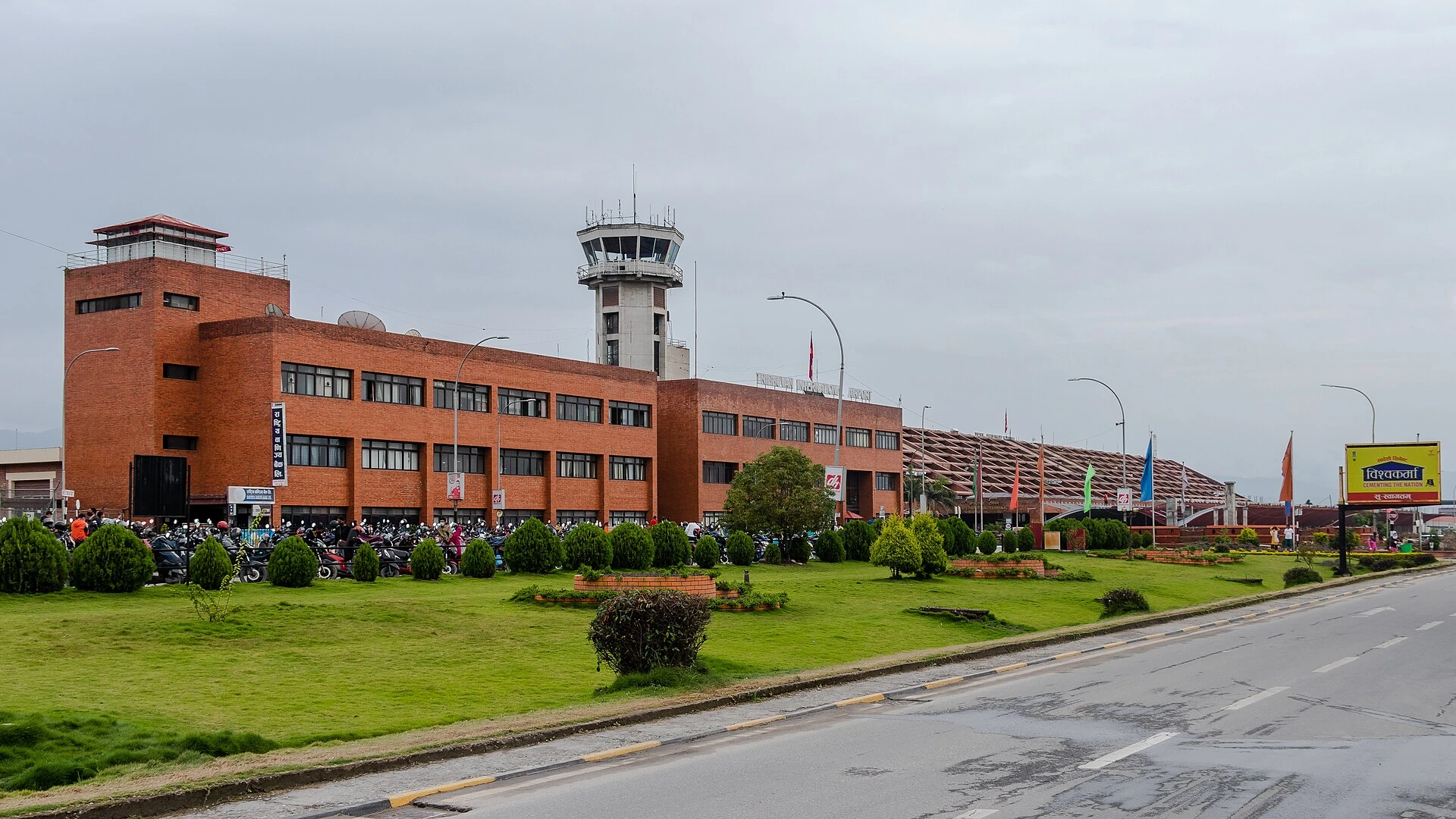
Your itinerary for the Everest Expedition begins with your arrival in Kathmandu at TIA(Tribhuvan International Airport). Upon your arrival, you will get one of our representatives waiting for you at the arrival section. You will recognize them with the template they are carrying, with your name and a logo of our company. You will get a warm welcome with Khada, a traditional practice for welcoming the guests.
 
After a short introduction and greetings, you will be transferred to your Hotel from the airport. You just need to follow the directions of the staff for a smooth transfer and relax in your private transport.
 
After your hotel check-in, you can have your refreshment time. Or else you can also explore the nearby attractions or visit the vibrant market, trying some local dishes, else you just can have your time enjoying the ambiance.
 
You will get your overnight stay in a Hotel in Kathmandu.
 

Max Alt. 1400m

Hotel

Breakfast

Arrive in Kathmandu (1,400 m) Arrive in Kathmandu (1,400 m)

On the second day of your itinerary, you will get a briefing and a preparation day of whole expedition. After breakfast, the team will gather and will discuss a detailed expedition orientation led by the lead guide and the team's sherpa staff. You will get the outline of day-to-day activities during your itinerary, along with the precautions and safety rules. also involves the careful inspection of every climber's gear carefully to ensure stability for extreme altitude.
 
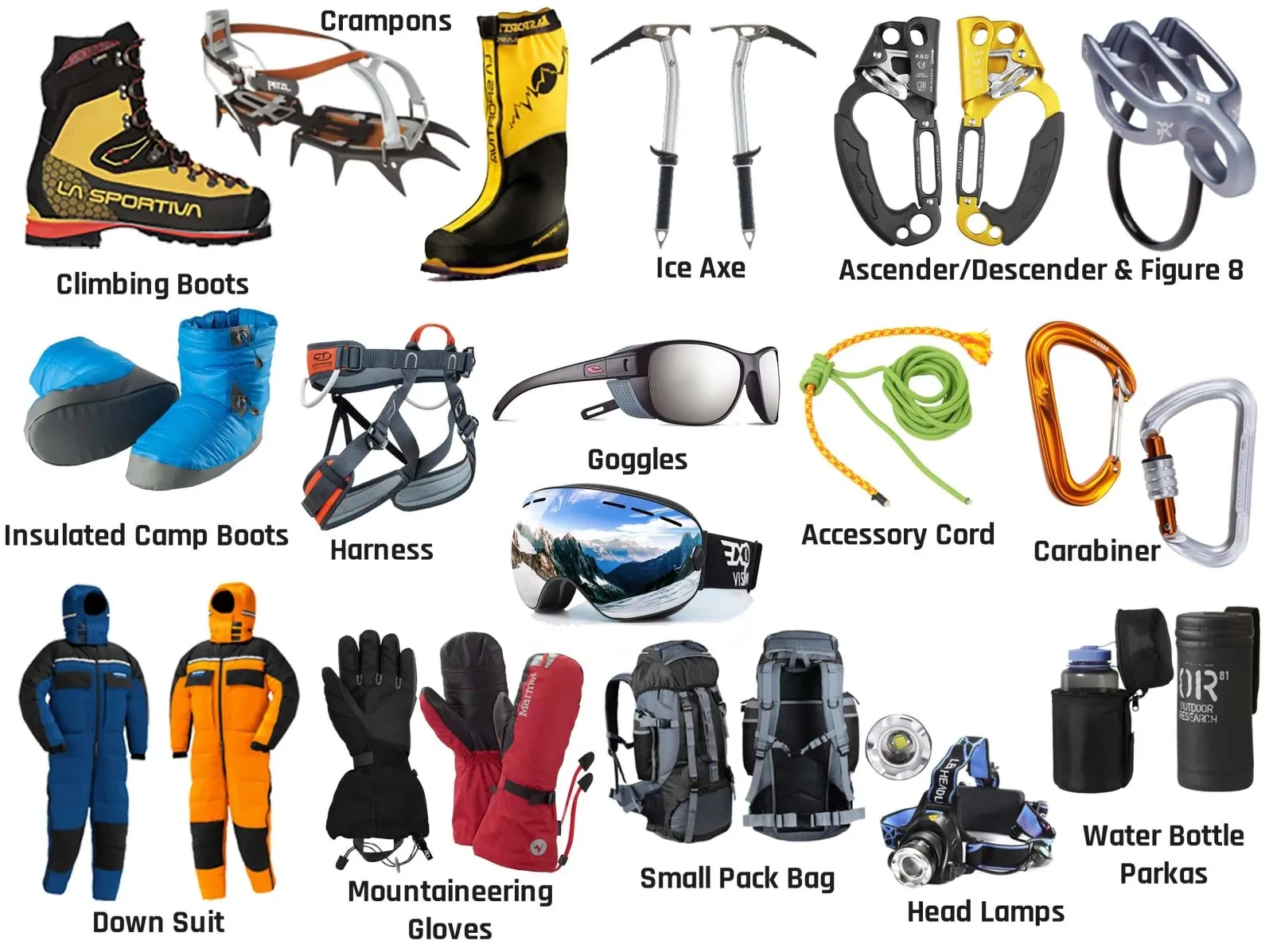
The gears and equipment, such as oxygen systems, down suits, crampons, harnesses, ascenders, as well as sleeping bags, are carefully checked and inspected. Missing or damaged gears or any equipment can still be replaced in Kayjandu. The expedition company also manages the climbing permits, documentation, helicopter coordination, and cargo arrangements. All preparation for trekking, base camp living, and high-altitude climbing rotations is categorized with duffel bags.
 
After the briefing and preparation, if you have time to roam, you can have a vibrant time in the local market.
 
You will get your overnight stay in a Hotel in Kathmandu.

Max Alt. 1400m

Hotel

Breakfast

Expedition Briefing, Gear Check, Permits Expedition Briefing, Gear Check, Permits

On the third day of your itinerary for the Everest Expedition, you will take a thrilling and spectacular mountain flight early in the morning. The TIA domestic to Tenzing-Hillary Airport offers you incredible mountain scenery of the highest peaks in the world. It is considered to be one of the most scenic flights in the world.
 
On your arrival in Lukla, you will be welcomed by the local team for the expedition. The porters and yaks organize  the expedition loads while you get your time to enjoy your breakfast. Thereafter, the trek begins towards Phakding.
 
The trail passes through gentle descents of pine forests, suspension bridges, prayer walls, as well as beautiful sherpa settlements. The trekking journey of this day will be easy, which also helps your body to adapt gradually to increasing altitude. The riverside trail passing the Dudh Koshi River accompanies peaceful and tranquil journeys.
 
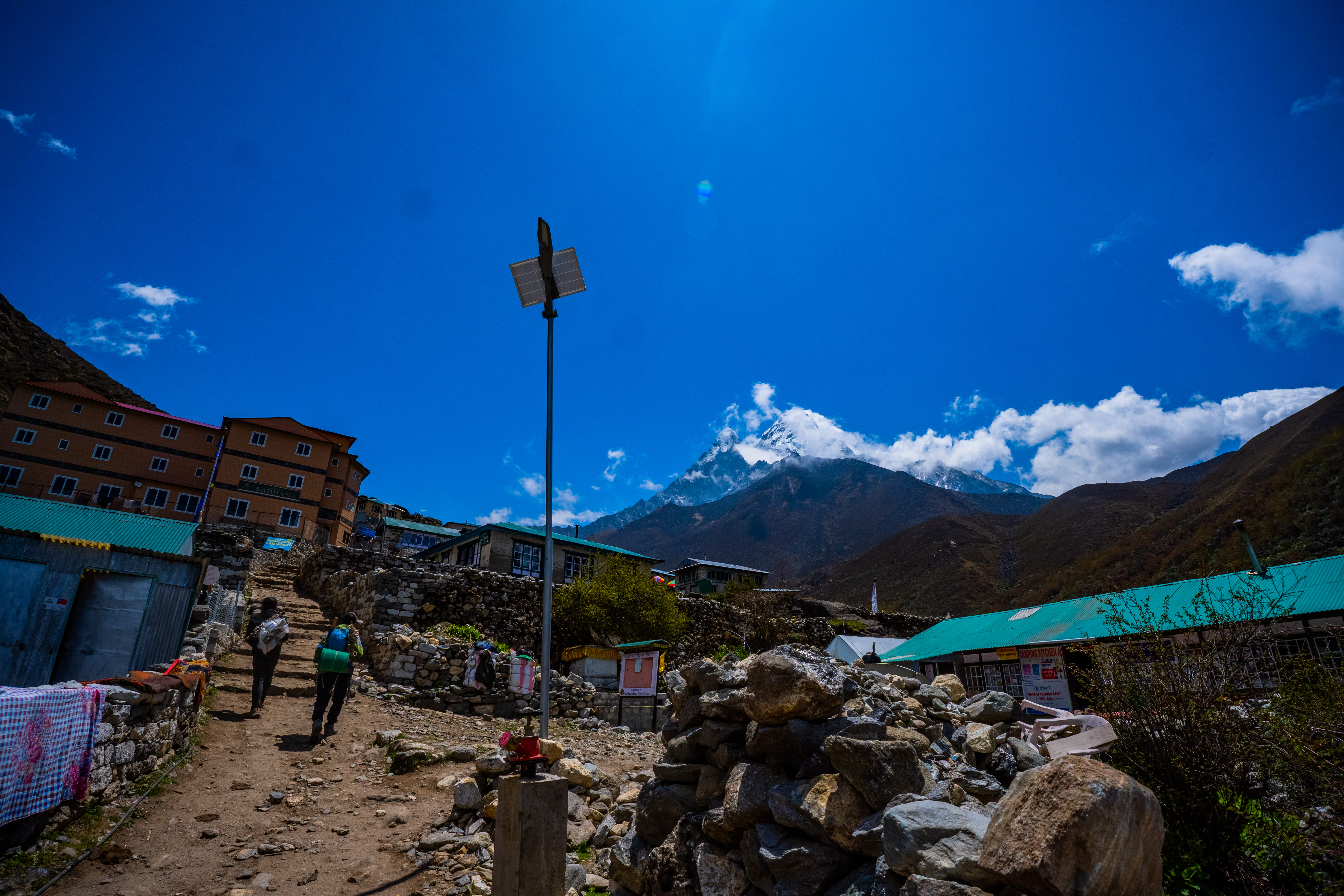
Upon your arrival in Phakding, you will get to see various lodges and teahouses where climbers, trekkers, and travelers settle for the day.
 
You will get your overnight stay in a guesthouse in Phakding.
 

Max Alt. 2800m

Guesthouse

Breakfast, Lunch and Dinner
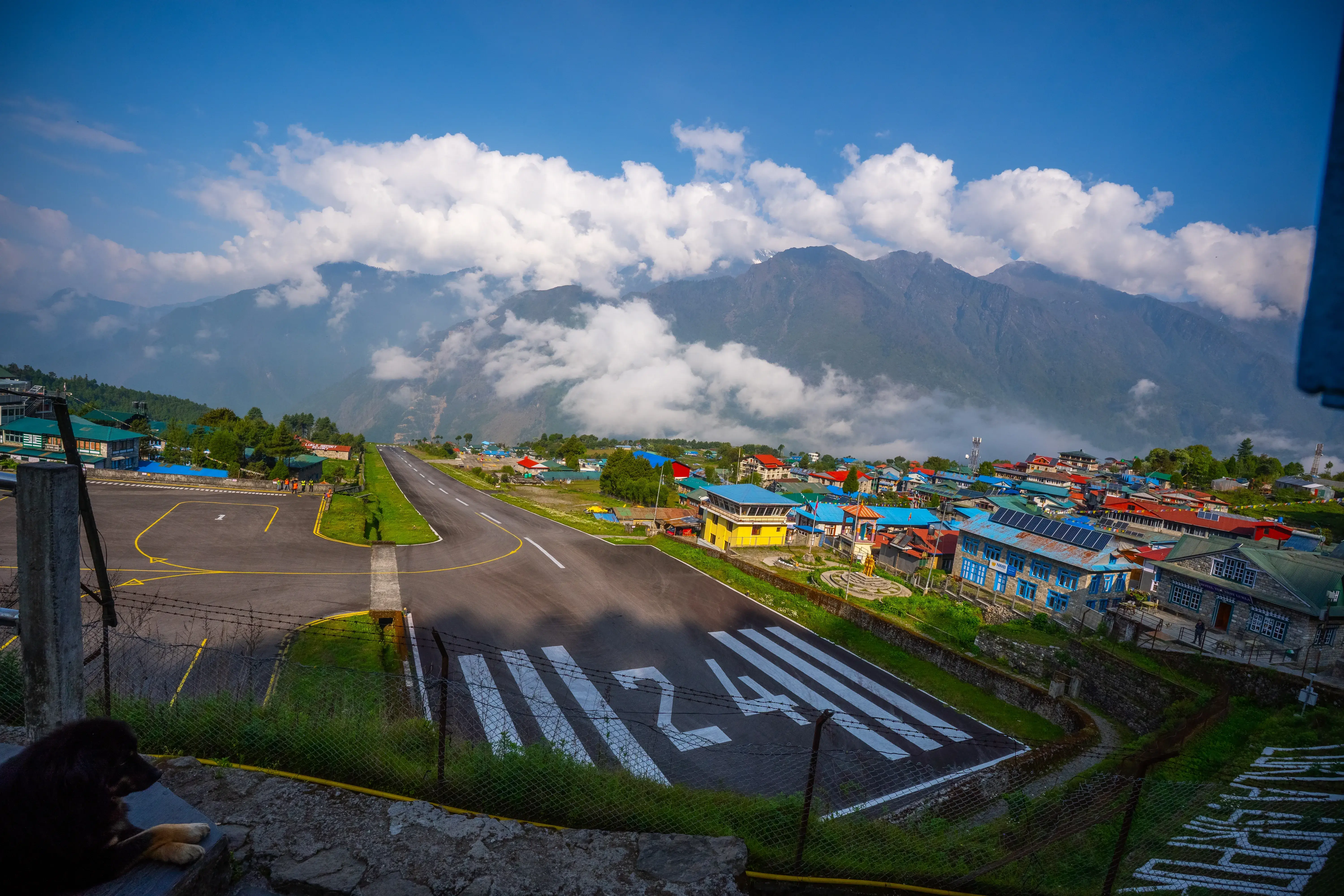
Fly to Lukla (2,860 m) and Trek to Phakding (2,610 m) Fly to Lukla (2,860 m) and Trek to Phakding (2,610 m)

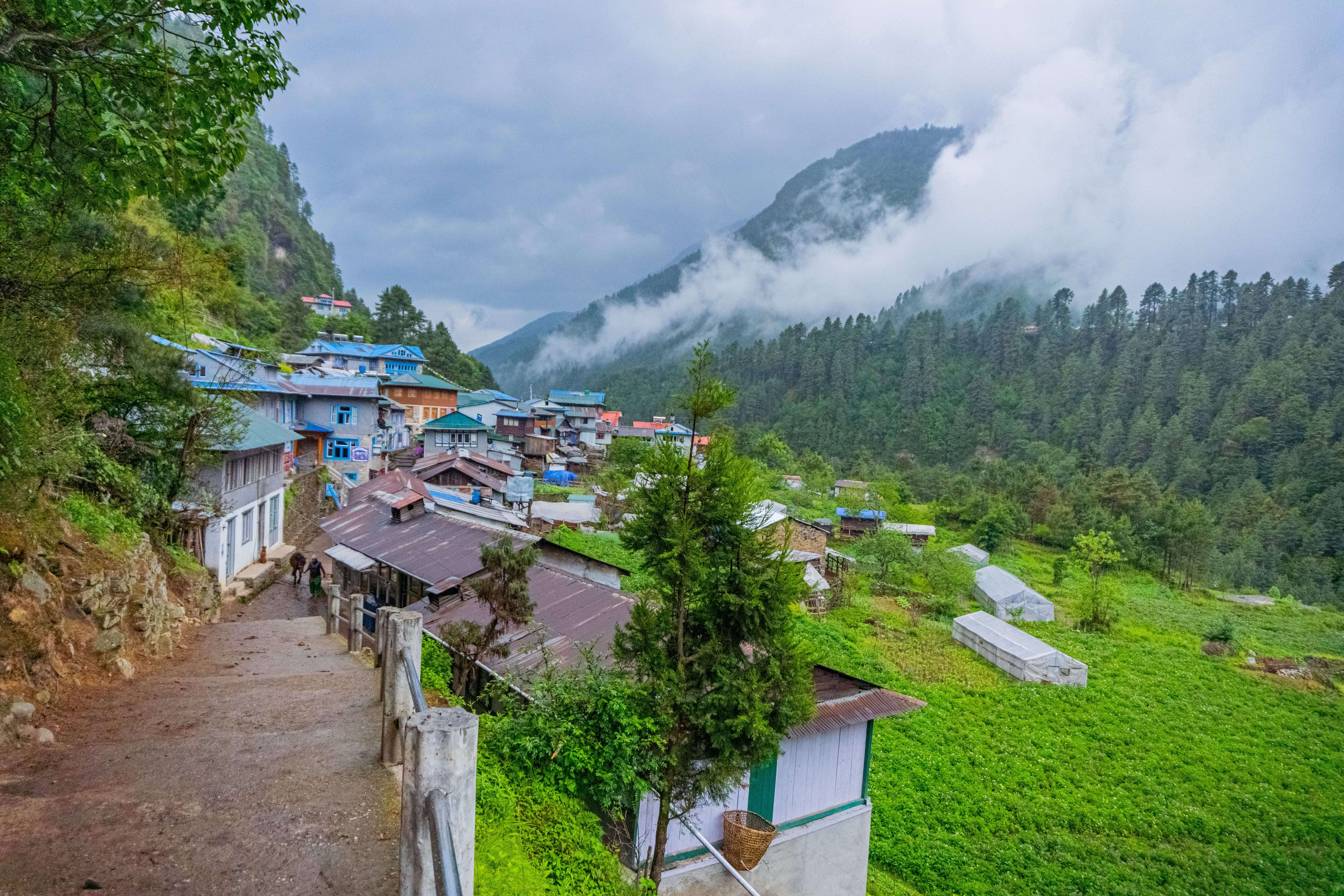
Today, after the morning breakfast, you will continue your trek towards Namche Bazar, the iconic town of the Himalayas. You will cross multiple suspension bridges, including the popular Hillary Bridge, during your ascent. Before entering the Sagarmatha National Park, you will need to complete permit checks  before you begin the uphill climb towards Namche Bazar.
 
From here on, the altitude becomes noticeable, which can make you feel the trek getting demanding. The precautions, like frequent hydration and a steady pace, are essential. You will also get stunning views of Everest, Lhotse, and Ama Dablam.
 
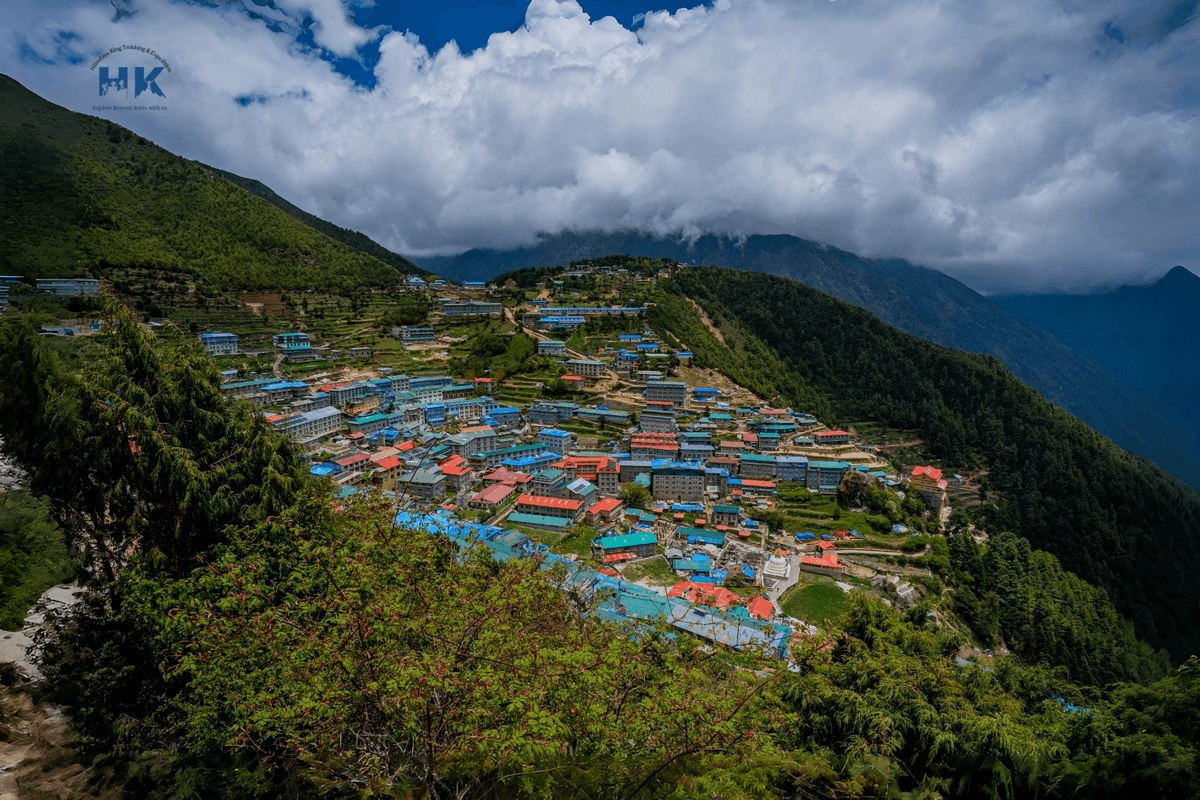
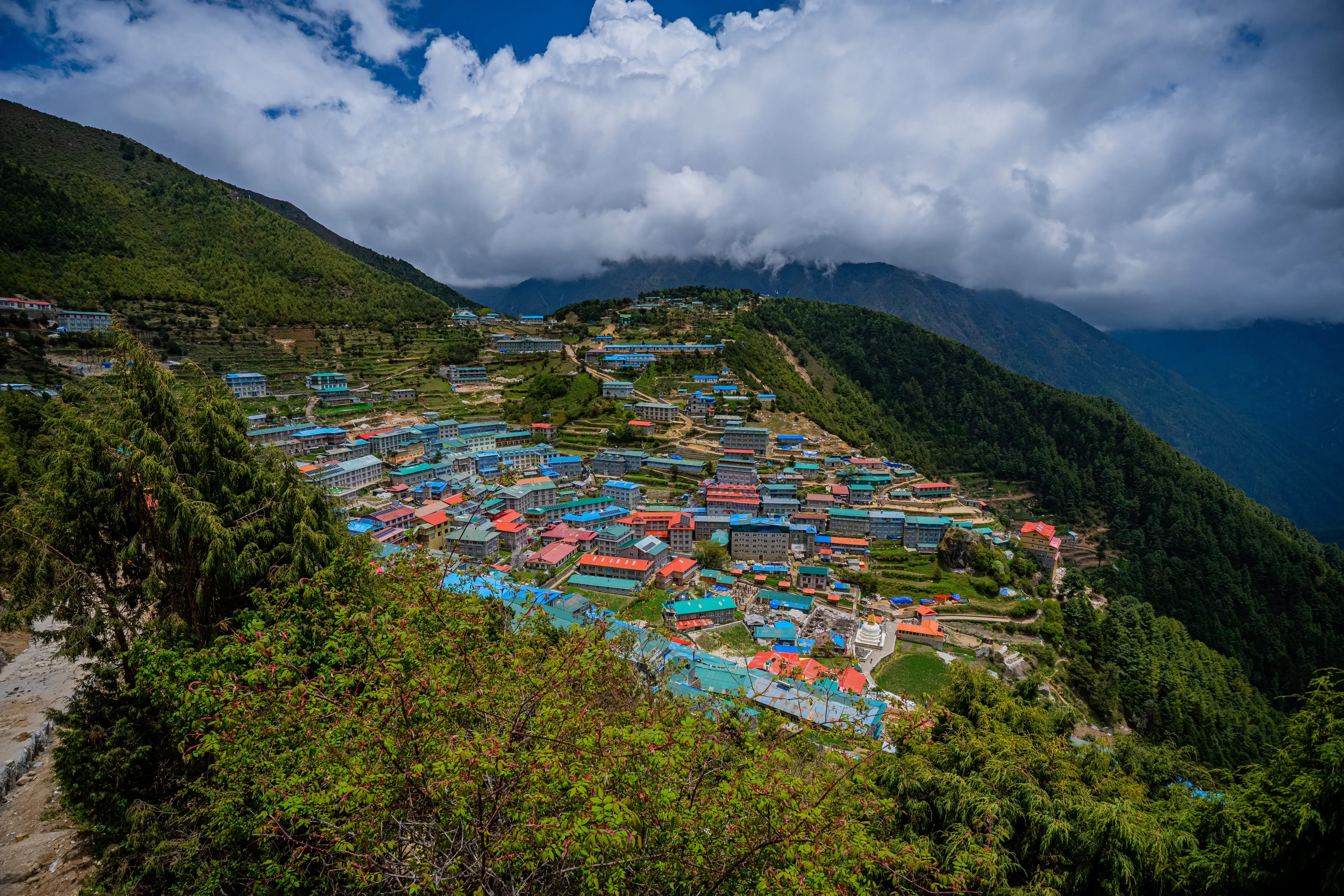
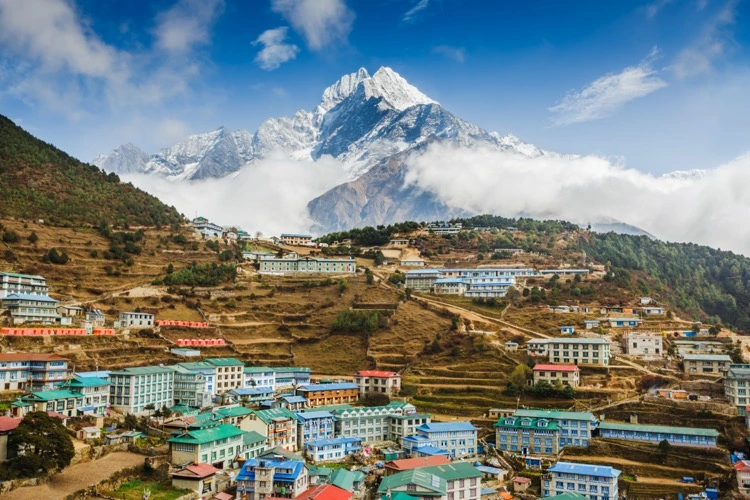
Upon your arrival in Namche Bazar, you will witness a vibrant Himalayan town in a remote location surrounded by the peaks and high-hills. The town is filled with bakeries, gear shops, lodges, museums, and internet cafes, which makes it an incredible stop.
 
You can roam around the evening atmosphere of Namche Bazaar, trying some local Sherpa dishes as well as enjoying the vibrant interactions between mountaineers and climbers from all around the world.
 
You will get your overnight stay in a teahouse in Namche Bazar.

Max Alt. 3440m

Guesthouse

Breakfast, Lunch and Dinner
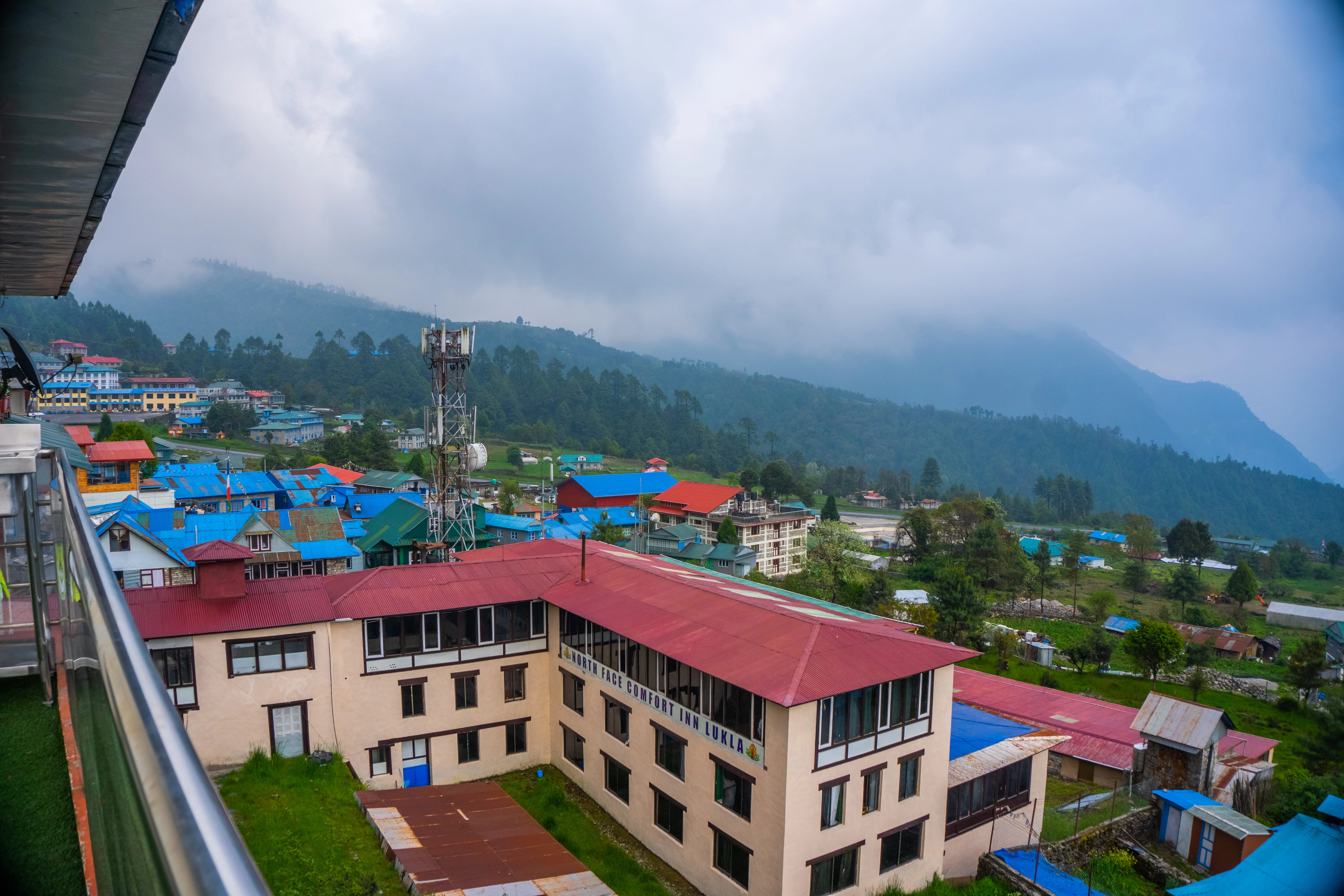
Trek to Namche Bazaar from Phakding Trek to Namche Bazaar from Phakding

Today, you will get a dedicated day for acclimation as it is a crucial step for success on the summit of Everest. As well, you will be achieving a huge altitude gap from the next day, so adapting to the altitude and the atmosphere is also necessary.
 
So, you can have the day exploring the Namche Bazar further. Climbers and trekkers often hike to nearby ridges or viewpoints such as Khamjung, Everest View Hotel, or ridges from where you can enjoy the view of Everest, Lhotse, and the following peaks, along with Ama Dablam. Such a gradual and short uphill climb helps to stimulate acclimation with minimal fatigue. Your guide monitors every symptom of altitude sickness in every member. The symptoms like headache, nausea, or unusual exhaustion can be fatal during high altitude climbing.
 
You can also explore the monasteries, the Sherpa cultural museum, and bakeries to spend more quality time before you ascend further the next day. Many climbers and mountaineers do the same.
 
You will get your overnight stay in a lodge in Namche Bazar.

Max Alt. 3440m

Guesthouse

Breakfast, Lunch and Dinner
Acclimatization Day in Namche Acclimatization Day in Namche

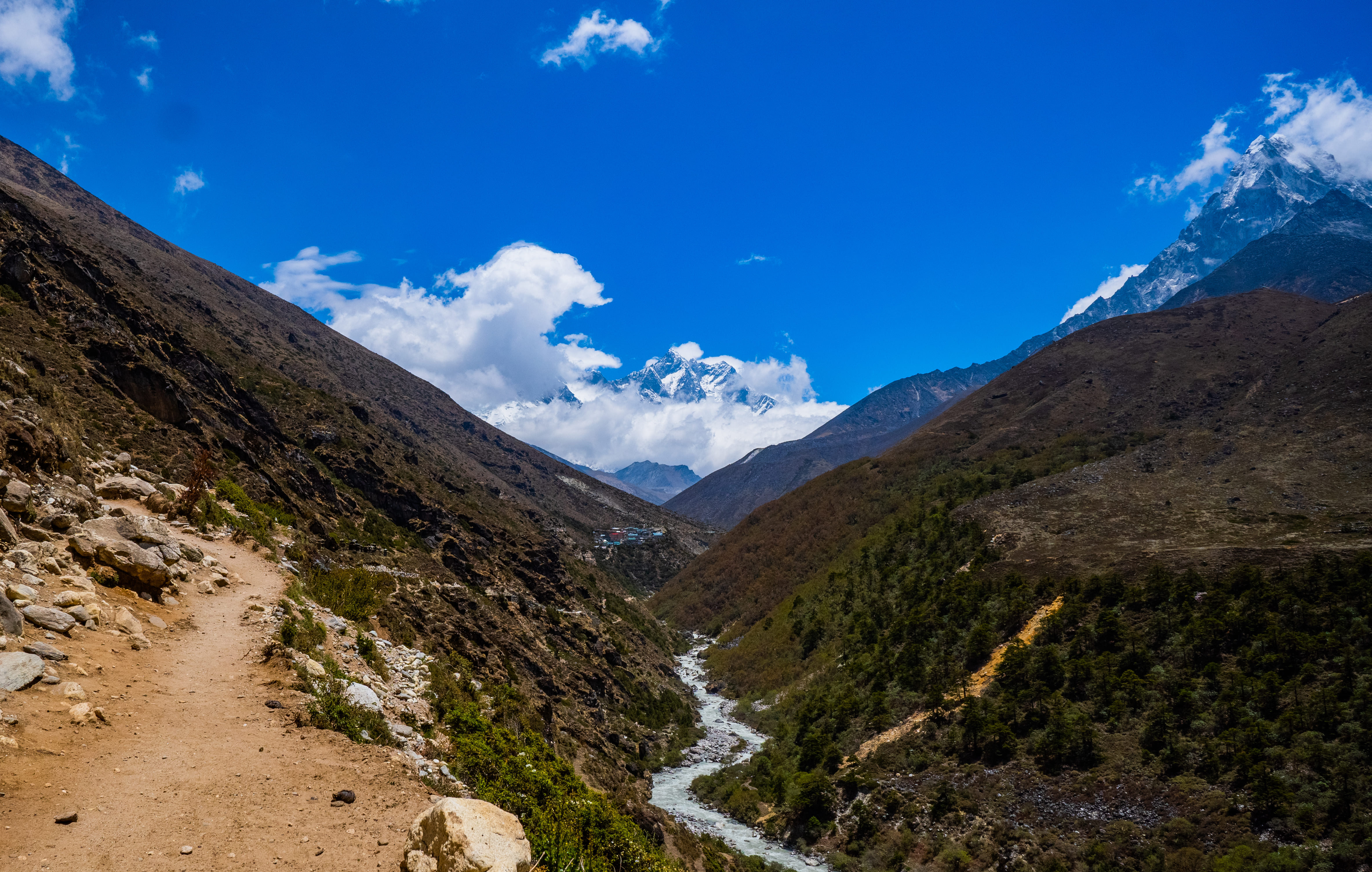
After the morning breakfast, the trek continues towards Tengboche. The trail passes high above Dudh Koshi Valley, offering you the Himalayan panoramas all along the way. The trail offers early expedition views of Everest, Lhotse, Nuptse, and Ama Dablam through exposed ridge trails descending toward Phunki Tenga before a long uphill ascent through rhododendron and pine forest.
 
The ascent feels a bit challenging for the day due to the increasing altitude, but the scenery and the spiritual atmosphere make it an amazing journey. Before arriving at Tengboche, you will experience a spiritual journey along with the scenic trek.
 
Tengboche monastery is the largest monastery in the Khumbu Region. Climbers and expeditors receive blessings here for their safer and successful summit. It is located at  an open ridge which is surrounded by stunning mountain peaks. There, climbers and mountaineers also attend the prayer ceremonies, chanting sessions, and burning incense.
 
You will get your overnight stay in a lodge in Tengboche.

Max Alt. 3860m

Guesthouse

Breakfast, Lunch and Dinner
Trek to Tengboche (3,860 m) Trek to Tengboche (3,860 m)

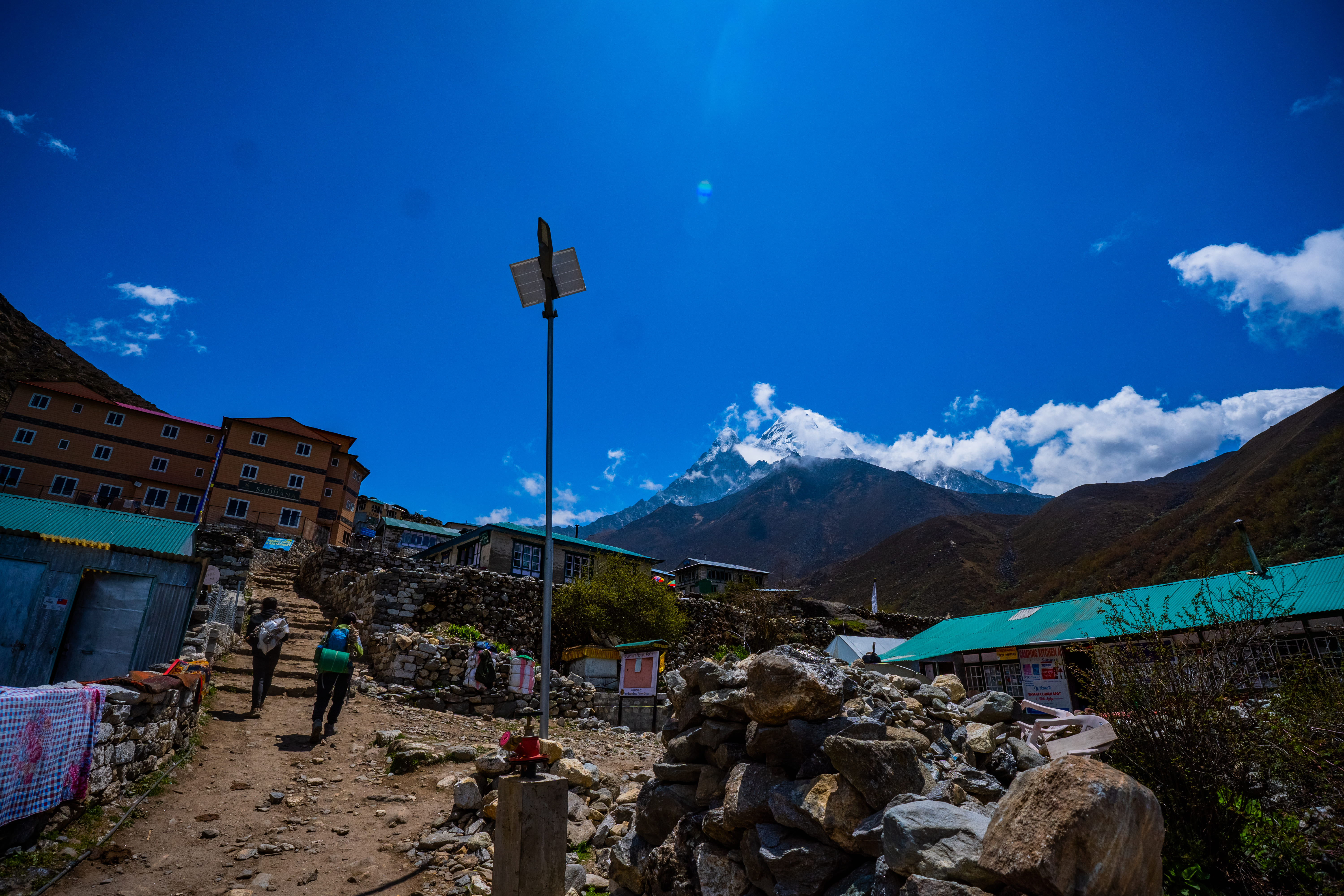
Today, the journey moves towards Dingboche. After breakfast, you will travel the trail filled with forested valleys along with the high altitude landscapes of the Upper Khumbu Region. You will briefly descend through rhododendron forests, crossing suspension bridges that continue to Pangboche and Somare. You will enjoy the dominating Ama Dablam in the skyline with its dramatic ridges and snow-capped walls.
 
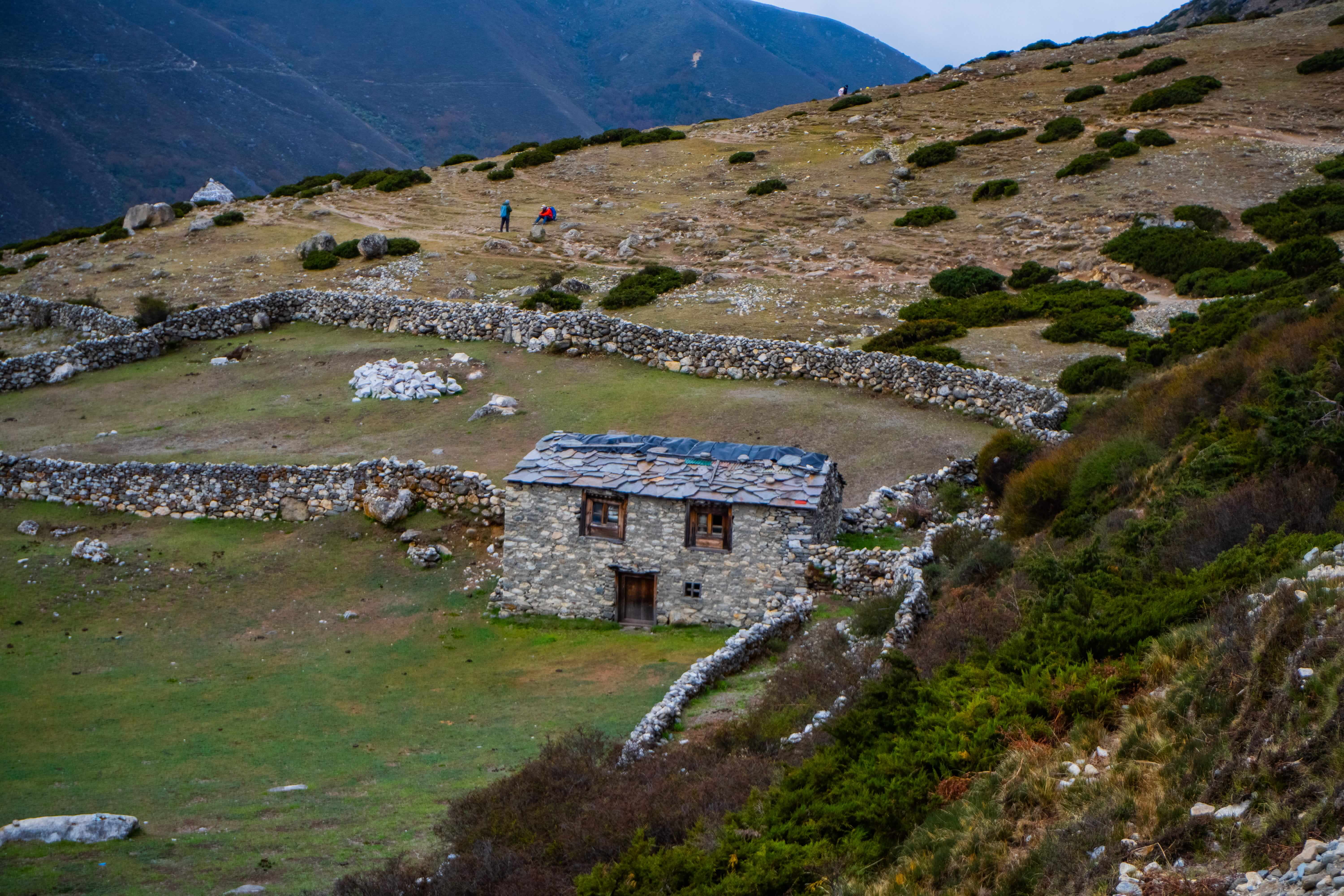
Once you enter the Imja valley, you will arrive at Dingboche. It is a traditional Sherpa settlement with stone-walled fields, which are designed to protect crops from strong mountain winds. With stunning scenery and tranquil nature, you will start to notice the colder and windier atmosphere as the altitude increases above 4000m above sea level. The rest of the day, you can have some rest.
 
Guides continue to monitor and evaluate each climber's acclimatization process as successful adaptation during this stage is essential and important before moving towards base camp and further higher rotations.
 
You will get your overnight stay at a lodge in Dingboche.

Max Alt. 4410m

Guesthouse

Breakfast, Lunch and Dinner
Trek to Dingboche (4,410 m) Trek to Dingboche (4,410 m)

Today, you will get another acclimatization day in Dingboche, which allows your body to have additional time to adapt before extreme altitude. After breakfast, a hike above Dingboche is usually conducted for more effective acclimation. The hike reaches an elevation of 5000m. The hike also offers an incredible view of Makalu, Lhotse, Ama Dablam, and the surrounding glaciers of Khumbu.
The guide carefully monitors energy levels, breathing patterns, and oxygen saturation. It helps to identify potential altitude risk early.
 
Climbers are also encouraged to maintain pace as well as avoid unnecessary exhaustion. After the hike, you will return to Dingboche for lunch. You can also explore further about Dingboche and interact with locals to know more about their lifestyle and culture.
 
The afternoon is often dedicated to equipment organization, communication, and discussion about the upcoming glacier walk. Until the end of the day, you will get to learn so much about the acclimation and better adaptation to higher altitudes.
 
You will get your overnight stay in a lodge in Dingboche.

Max Alt. 4410m

Guesthouse

Breakfast, Lunch and Dinner
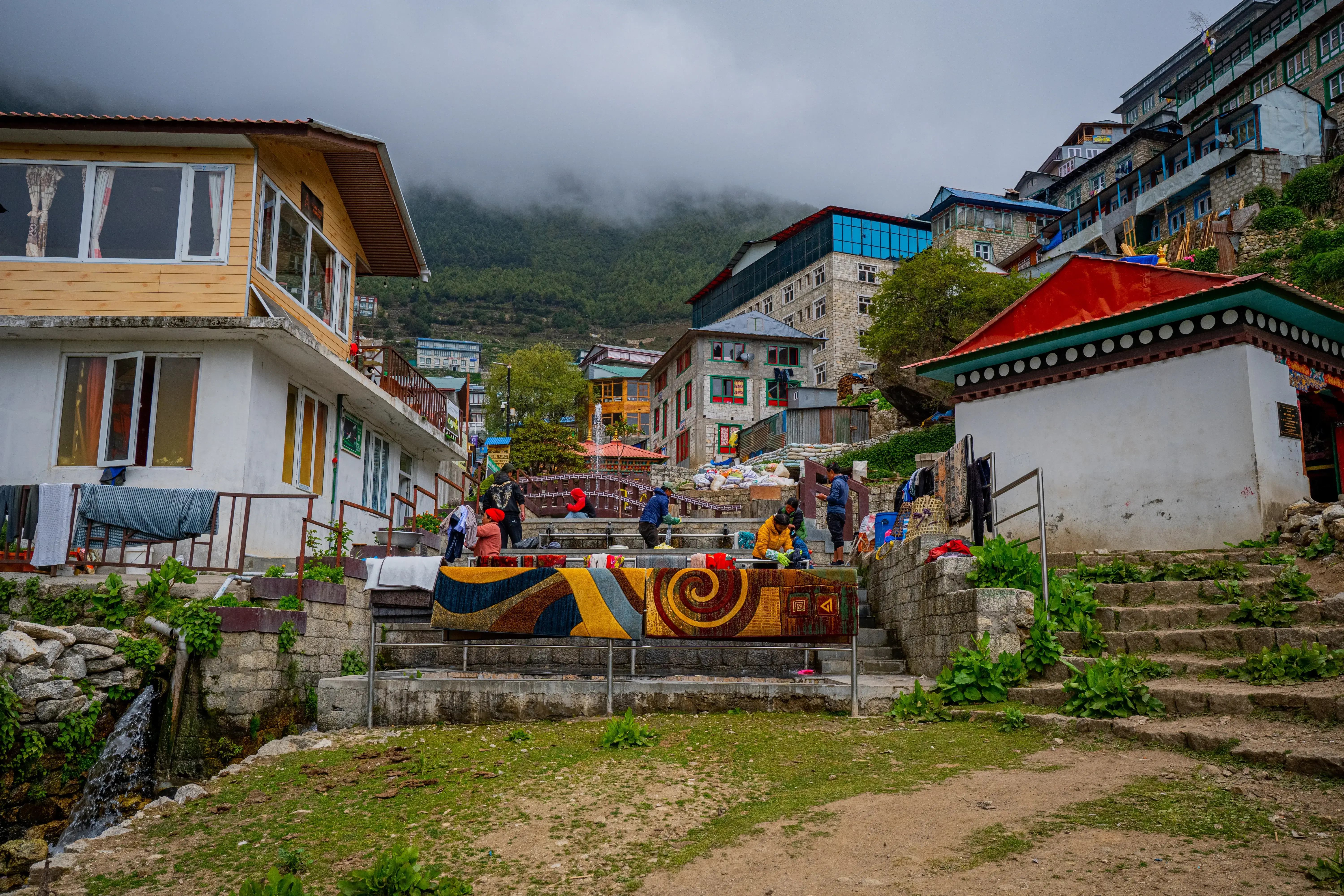
Acclimatization hike at Dingboche Acclimatization hike at Dingboche

On this day, you will get your morning breakfast and will continue to trek towards Lobuche. The trek gets more demanding as you will get more challenging ascents and altitude gain with every step. The Thulka pass is another great stop where most climbers stop to enjoy the tea and lunch before heading uphill. Passing the Thulka Pass, the memorial honors the climbers and sherpas who lost their lives during the Everest Summit or on Everest. The stone monuments there remind us of both the beauty and the seriousness of mountain terrains.
 
The trek continues with the views of landscapes which transform into cold, barren, and glacial environments as you will be walking beside Khumbu Glacier, along with the towering peaks of Nuptse and Pumori.
 
Upon your arrival in Lobuche, you will get a teahouse for the rest of the day.

Max Alt. 4910m

Guesthouse

Breakfast, Lunch and Dinner
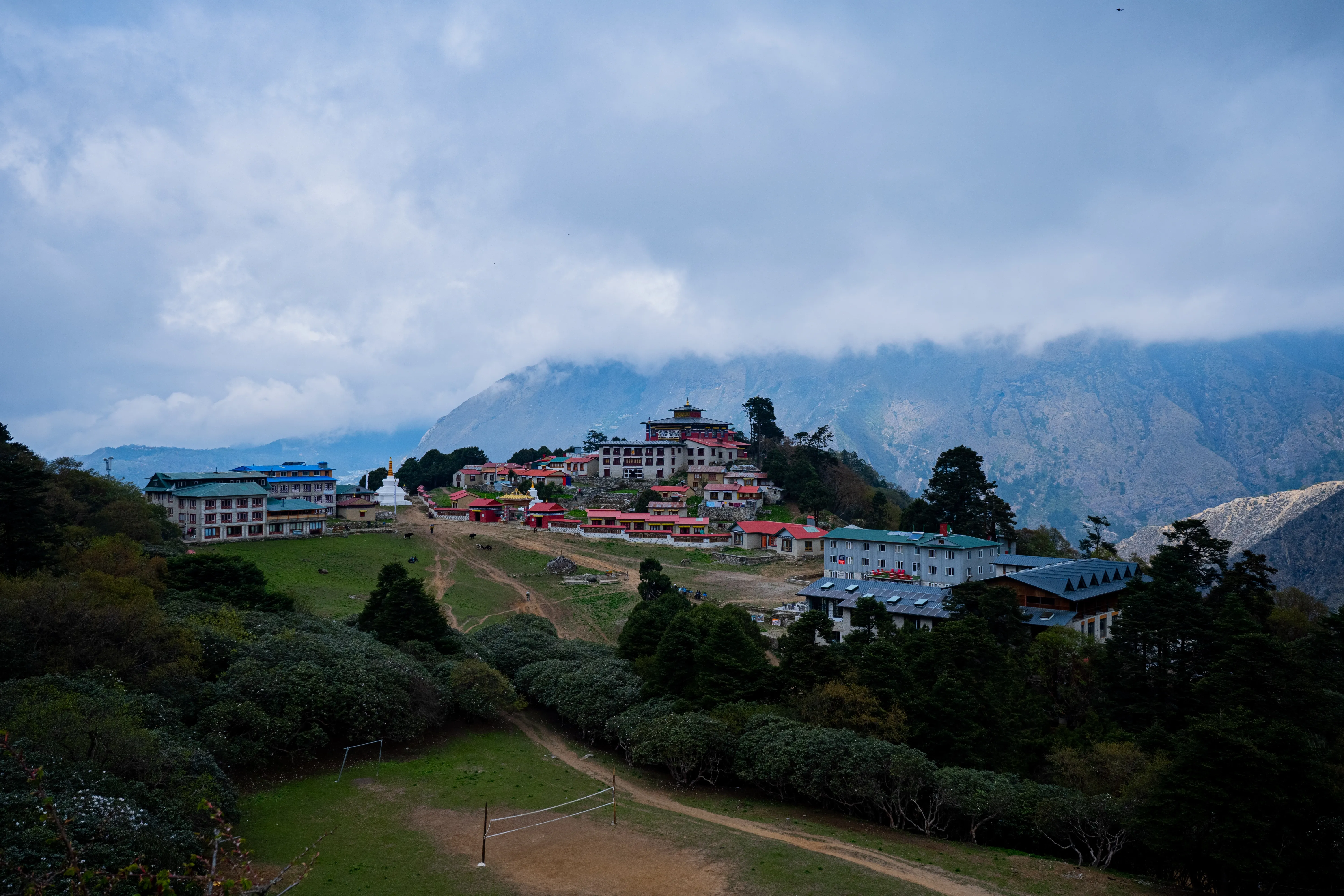
Trek to Lobuche (4,910 m) Trek to Lobuche (4,910 m)

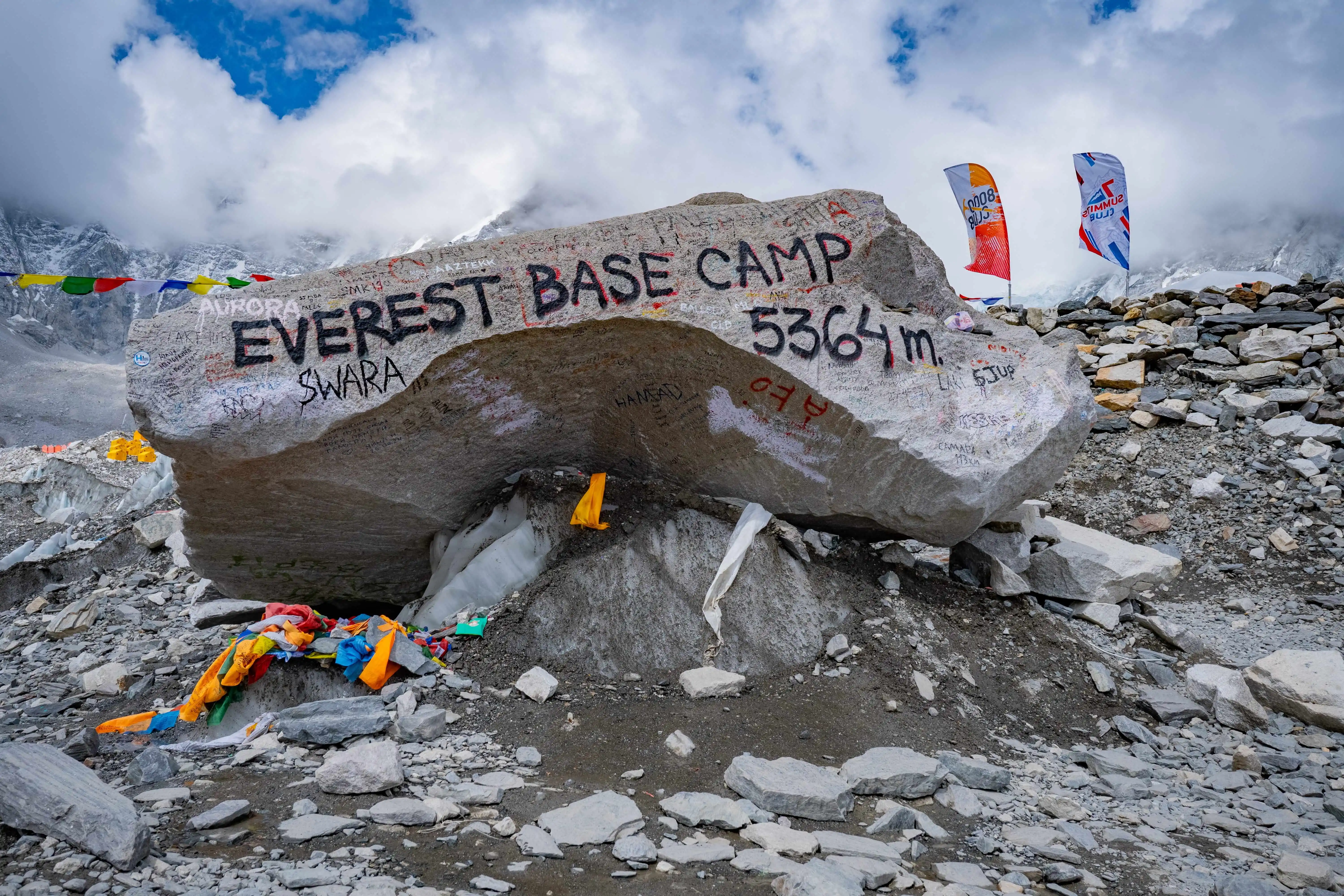
Today, you will get to the Everest Base Camp. It is itself one of the most anticipated and well-admired trekking destinations in the Himalayas. After breakfast at Gorekshep, the trail passes along the lateral moraine of the Khumbu Glacier. You will pass through the glacial debris, ice towers and spectacular views of Khumbu Iceful and the surrounding mountains.
​
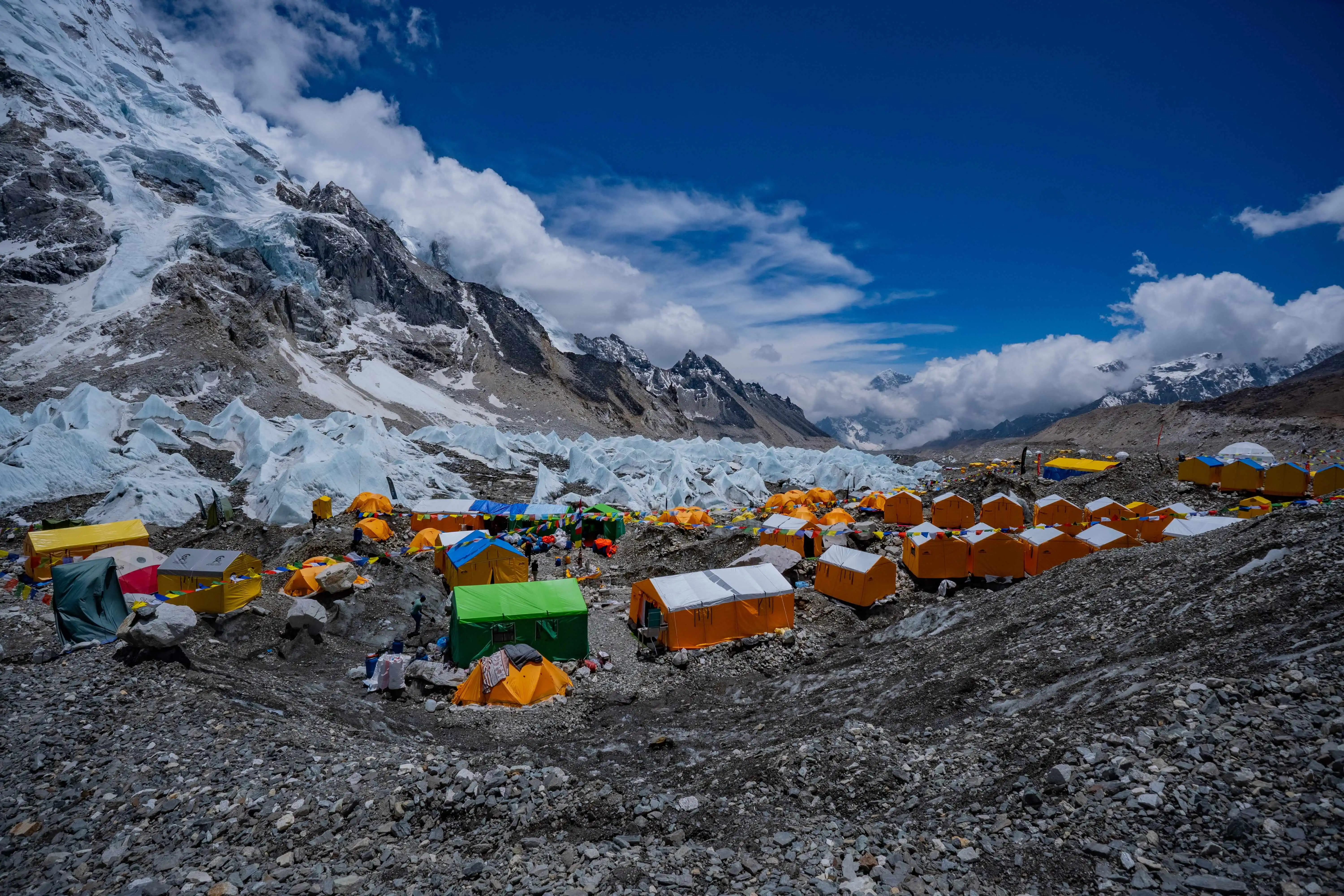
Upon your arrival at the Base Camp, you will get introduced to the Base Camp crew. You will get a short introduction with your instructor, base camp cook, guides, leads and elite Sherpas. After settling at your private expedition tents and exploring the sprawling tent town will be your introduction as your home for the next month.
​
You will begin your stay in a private tent at Everest Base Camp.

Max Alt. 5364m

Tent

Breakfast, Lunch and Dinner

Trek to Everest Base Camp (5,364 m) Trek to Everest Base Camp (5,364 m)

From day 12 to day 15, over the course of 4 days, you will adapt to the environment of high-altitude. These days are dedicated to adaptation to extreme altitude along with training on acclimation.
 
On the designated day, in between, you will participate in the traditional Lama Puja Ceremony, a sacred Buddhist ritual which is conducted by the local Lama, seeking the blessings, protection and safe passage on the mountain for all the climbers, mountaineers and Sherpa guides.
​
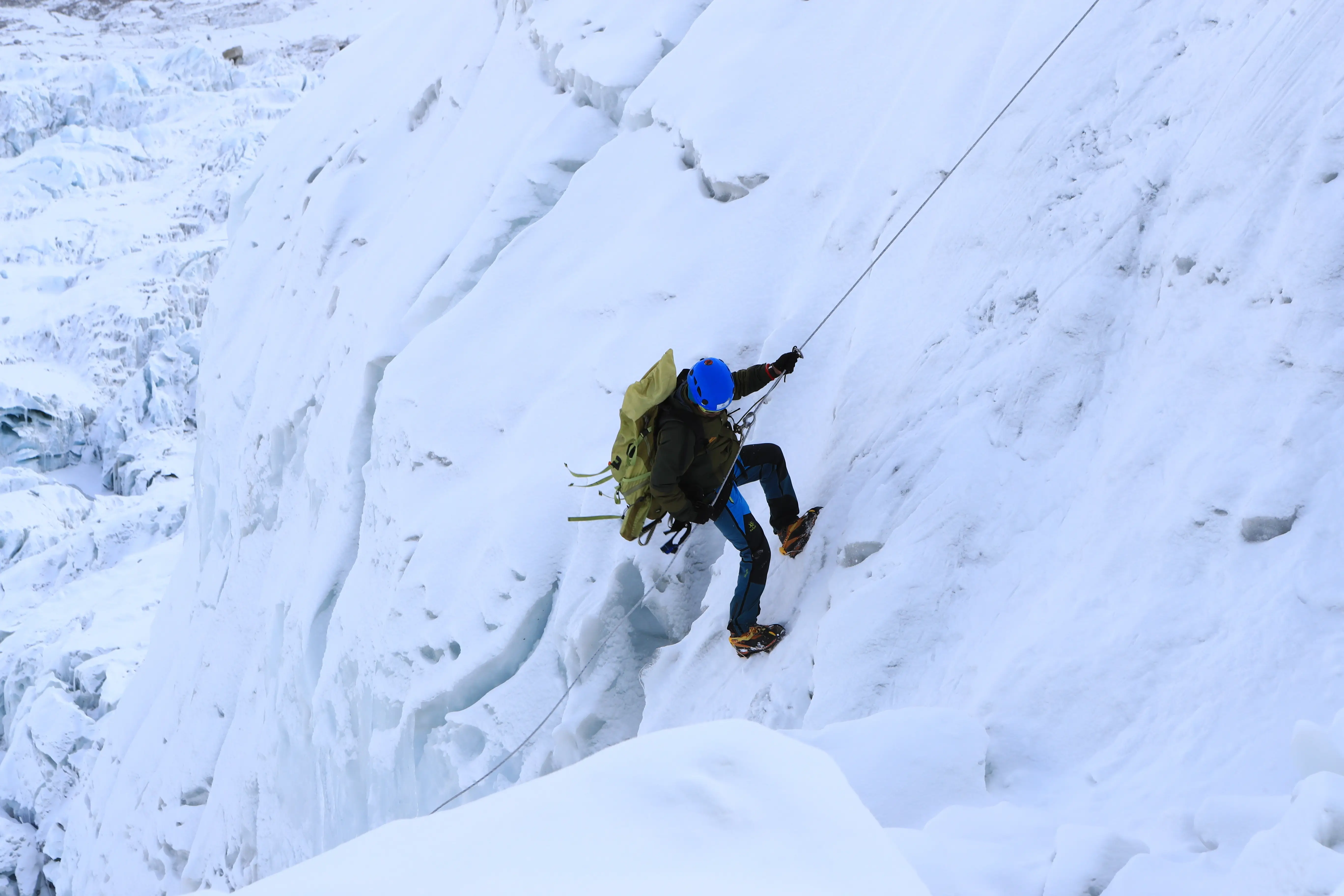
Along with the activities, you will undergo technical training which includes the use of equipment and gears during the climbing. The training will be held at the ice walls nearby to the base camp.
There, you will get to practice the,
➢Ladder crossings
➢Fixed-rope technique
➢ascender(jumar) operation
➢Walking with crampons
➢Adjusting the climbing harness
➢Uses of an ice axe
➢Precautions while using the equipments
➢Safety protocols
➢Response in emergency situations
 
Along with these, you will get all the information and briefing sections that help you during the expeditions. After the training and the acclimation for adaptation ends, you will start your actual expedition with the rotation.

Max Alt. 5364m

Tent

Breakfast, Lunch and Dinner

Rest, Training, and Acclimatization at Base Camp Rest, Training, and Acclimatization at Base Camp

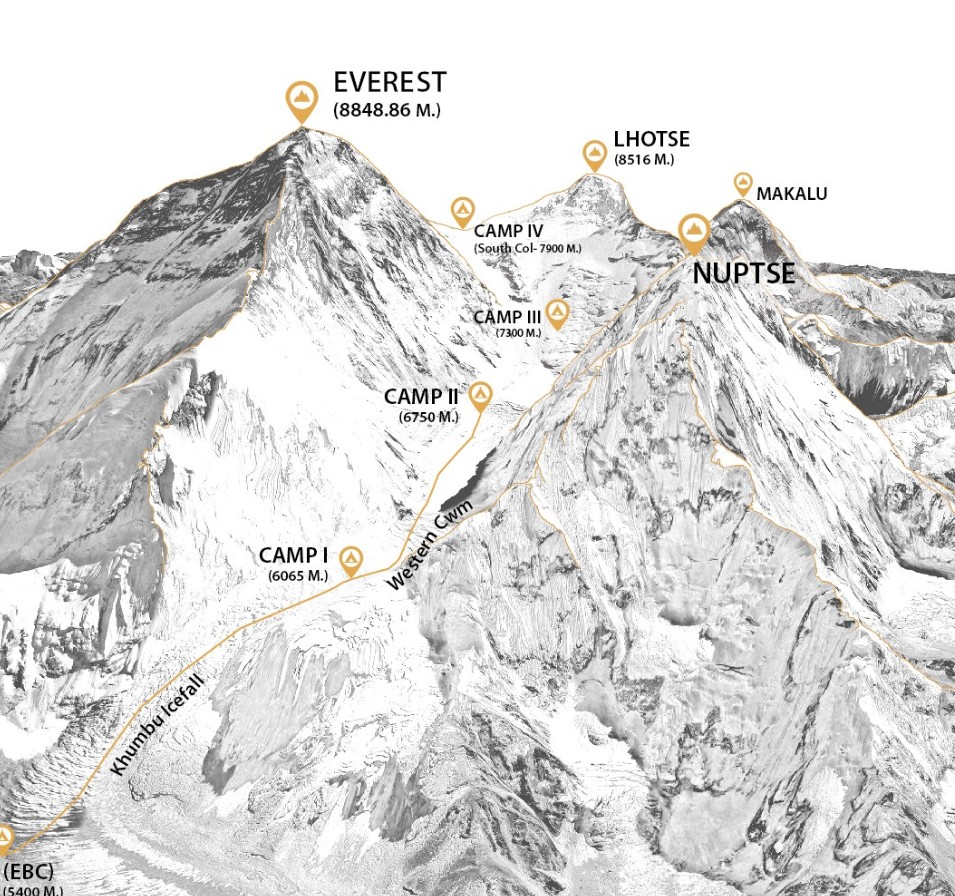
From today on, the rotation will start with the climb through Khumbu Icefall to cross Camp I, Camp II, Camp III, Camp IV and finally the summit push. All these will be executed during the time period of 45 days in your itinerary for the Everest Expedition in the itinerary days from day 17 to day 54.
 
The ice fall will be challenging, with crevasses, ice bridges and ladders. The struggle will be faced all throughout the Khumbu Icefall. From the Base Camp, it will take 5-6 hours of difficult climbing to reach Camp I. There the rotation I will complete for the acclimation and adaptation.
 
From Camp I, a more difficult climb will continue to get to Camp II, which sits at an altitude of 6,400m. The route is steep to get to Camp II. There you will get to rest in the tent in a very isolated flat valley, which is at an extreme altitude as well exposed to the sun.
 
After Camp II, the journey traces back to the Base Camp. This rotation follows the "ascend higher, sleep lower", which helps to adapt to the high altitude exposure properly and more efficiently.
 
You will again start the push back to Camp II, with a slower pace to ensure your body adapts to the extreme altitude more effectively. After the rest in Camp II, the ascent pushes up to Camp III. acclimation at Camp III, the other day follows the head towards Camp IV (South Col) at an altitude of 7,950m. This marks the final stop before the Summit Push for the highest peak in the world.

After all the rotation complets up to the Camp IV(South Col), the itinerary for Everest Expedition follows, the summit for Everest. The day where you will finalize the whole journey and your ambition to conquer the highest point in the world and importantly more of conquering yourself.

The summit push starts at early in the morning during the time of 1 AM - 2 AM, as the summit should be done before afternoon, due to the wind cycle above Hillary Steps. It is famously known as the 2 PM rule.

The climb will require the strenuous and very challenging climb through the Hillary Steps which is above 8000m until the summit. The Push will challenge you beyond your limit. It will be the challenge for you. After crossing the Hillary Steps,


You will conquer the highest peak in the world. The Everest summit.


There you will be rewarded with a scenic 360 view of the whole Himalayan range, a view from the top of the world. And more precisely, you will be rewarded with a very proud feeling inside you. A kind of self-achievement and a heavy feeling of what you are. You will be at the top of the world.

After summiting the Everet, the descend back to Base Camp passing down the Camp IV, Camp III, Camp II and Camp I.

There you will get a warm welcome and congratulations on your successful summit of Everest from the team.

Max Alt. 8000m +

Camp

Breakfast, Lunch and Dinner

Everest Climbing Period (Rotation camp I, camp II, camp III, Camp IV, and Summit push) Everest Climbing Period (Rotation camp I, camp II, camp III, Camp IV, and Summit push)

During this duration of 3 days, you will retrace your journey back to Lukla, passing Lobuche, Dingboche and Tengboche, along the exact route which you came through at your earlier stage of Everest expedition.
 
This time you will be returning with something unforgettable and unerasable with you. Mainly the proud sense of achievement, then the recorded summit or the certificated conquering the summit. The feeling inside will be the greatest achievement in this whole journey.
 
You will get your overnight stay in a Hotel in Lukla.

Max Alt. 5364m

Guesthouse

Breakfast, Lunch and Dinner
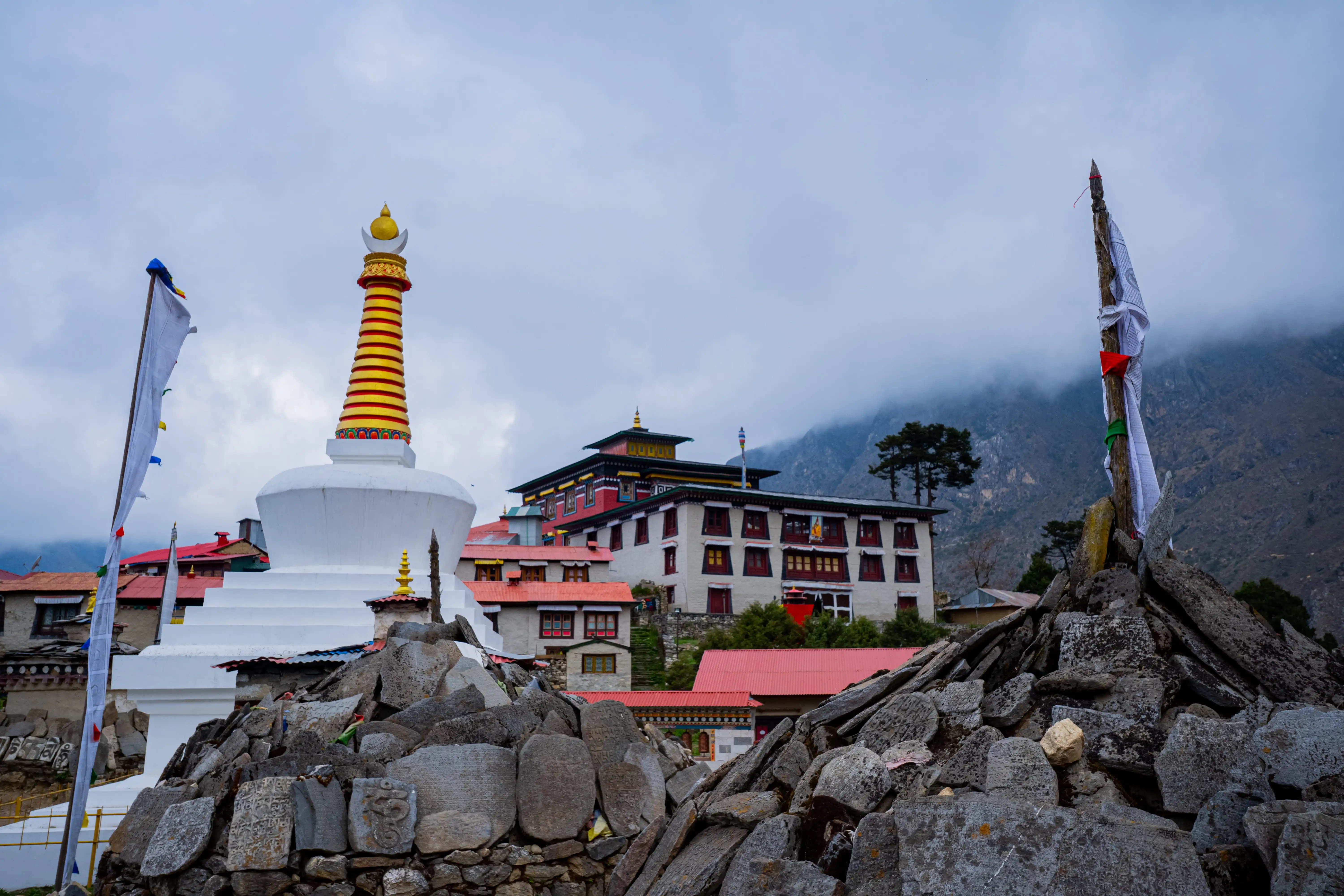
Trek Back to Lukla Trek Back to Lukla

On this day, you will fly back to Kathmandu. After the morning breakfast, you will get your flight, which will land in the domestic section of Tribhuvan International Airport. You will too once again enjoy the scenic flight, which will offer a view of the highest peak in the world, which you conquered.
 
After you arrive in Kathmandu, you will be escorted to your hotel room. From there on, you can have some refreshment time or visit the nearby attractions to roam at the vibrant evening market like Asan or Thamel.
​
You will get your overnight stay in a Hotel in Kathmandu.

Max Alt. 3440m

Guesthouse

Breakfast

Fly Back to Kathmandu Fly Back to Kathmandu

On this day, you will be at the final day of your itinerary for the Everest Expedition. You will get a briefing and a congratulatory session from the Department of Tourism, and you will be awarded the certification of a successful summit of Everest.
 
After the session, you will get a farewell dinner from the team. Before that, you can have your time roaming around the nearby attractions, trying some dishes for yourself or visiting the vibrant evening markets like Basantapur, Ason and Thamel. Or you can also experience the nightlife in Thamel before your departure.
​
You will get your overnight stay in a Hotel in Kathmandu.

Max Alt. 1400m

Hotel

Breakfast

Briefing at Department of Tourism Briefing at Department of Tourism

On the 60th day of your itinerary for Everest Expedition, you will get the morning breakfast and a transport from your hotel to the airport. Upon your arrival at Tribhuvan International Airport, you will finalize your successful Expedition.
​
From there, you will get a goodbye from our team.
​
You will get your departure at the scheduled flight.

Max Alt. 1400m

Breakfast

Departure Departure

Route Map

Cost Includes

All the ground transportation, including airport pickup and drop.

Welcome and farewell dinner.

4 nights' hotel in Kathmandu.

Flight Kathmandu-Lukla-Kathmandu.

All the permits required for the expedition, including garbage deposit.

All Accommodation & meals during Trekking and expedition.

Climbing Sherpa Guide 1:1.

Expedition Kitchen Staff as required.

Porters & Transportation Services during Trekking and Expedition.

Health & Heli Insurance for all staffs and porters.

Liaison Officer.

All the equipment and gear required for the Expedition.

Rope fixing and route preparation.

Supplemental oxygen 9 bottle.

2 pairs of Mask & regulator.

Communication Set for the Expedition.

Solar panels and generator power supply at Base Camp.

Single sleeping tent for each climber at Base Camp.

Wi-Fi facility at Base Camp.

Heater facility at Base Camp.

Cost Excludes

International tickets/airfare from Kathmandu.

Nepal entry visa fee.

Lunch and dinner in Kathmandu.

Extra hotel nights in Kathmandu

Tips for guides, Sherpas, kitchen staff, and porters.

Summit bonus for climbing Sherpas 1,500 $ minimum.

Travel and helicopter rescue insurance 

Personal climbing equipment and gear.

Extra oxygen bottles ($500 per bottle).

Optional sightseeing or activities.

Personal climbing guide. (if requested separately)

Mt. Everest Expedition (8848.86m)
Gears and Equipments For Everest Expedition

Comfortable clothing suitable for weather conditions Sunglasses and sunscreen Warm...

Visit Now

Equipment

Helmet, climbing harness, carabiners, ascenders.

Crampons compatible with your boots.

Ice axe.

Climbing ropes & hardware (if not supplied by operator).

Personal headlamp (with extra batteries).

High-altitude down suit (upper body).

Down trousers for summit push.

Insulated mountaineering boots.

Thermal base layers and mid-layers.

Waterproof shell jacket & pants.

Glacial sunglasses, balaclava, neck gaiter.

Mountaineering gloves and heavy expedition gloves.

Personal oxygen mask set (if operator allows).

Lightweight backpack for rotations.

Trekking poles.

Extreme-cold sleeping bag (rated at −30 °C/ −40 °C).

Sleeping bag liner.

Sleeping pad (insulated).

Personal toiletries and UV sunscreen.

Altitude medication (as advised by the physician).

Personal medical kit.

Satellite communicator or personal GPS device.

Fixed Departure

Start Date
Duration
Available Dates
Price From
2027-04-01
60 Days
Available
$45000.00
2027-04-05
60 Days
Available
$45000.00
2027-04-10
60 Days
Available
$45000.00
2027-04-15
60 Days
Available
$45000.00
2027-04-20
60 Days
Available
$45000.00
2028-03-25
60 Days
Available
$45000.00
2028-04-01
60 Days
Available
$45000.00
2028-04-05
60 Days
Available
$45000.00
2028-04-10
60 Days
Available
$45000.00
2028-04-15
60 Days
Available
$45000.00

FAQs

Even though the official overall success rate ranges from 43% to 60 % for a successful summit on Everest, here in, with Himalaya King Trekking and Expedition, we ensure a 100% successful summit, with our past record of all successful expeditions on the summit.

For the Everest Expedition, you will be provided with all the essential gears and equipment which are needed during the climbing of Everest. All the gear is well-checked by our expert Sherpa guides and inspected by the elite mountaineers in our team.

In any case of severe illness, acute high-altitude sickness or injury due to unfortunate incidents or accidents, climber safety is prioritised through swift, multi-step emergency protocols.

Immediate Response Support will be executed from the lead guide through first aid, high-altitude supplementary oxygen, or emergency medication, along with initiating a guided descent to a lower elevation.

Communication and Authorization will get conducted through satellite communication or Garmin inReach. The guide will immediately contact our 24/7 Kathmandu Operations desk to coordinate for the direct authorisation with your emergency travel or adventure insurance provider.

Helicopter Dispatch: will be permitted once the weather conditions clear or an immediate specialised high-altitude rescue helicopter is dispatched directly to the nearby designated landing zone if all factors are cleared.

Hospital transfer will be airlifted directly to a premier medical facility in Kathmandu or Pokhara. Their emergency medical team is prepared for immediate handover and treatment.

Overall, in the event of emergency conditions during the expedition due to any circumstances, all processes will be done with immediate response with coordinated protocols with our elite team, to ensure precise response.

First of all, Everest is not an entry-level or beginner's peak to climb. Being the highest peak in the world requires and seeks the best physical endurance, mental resilience and dedicated expedition. Some climbers must demonstrate prior high-altitude mountaineering experience, ideally having summited at least one of 6000m to 7000m peak such as Island Peak, Mera Peak, Baruntse, Himlung, etc. This expedition helps master crampon footwork, jumar ascents on 50-degree ice walls, fixed-line transfers and self-arrest techniques while wearing heavy gear. These experiences are very necessary and important for the Everest Expedition as well as any other elite mountaineering similar to Everest.

A standard Mount Everest Expedition takes between the itinerary days of 55 and 60 itinerary days. This duration also covers the most anticipated trekking journey of the Everest Base Camp Trek, setting up high camps as well as multiple acclimatisation rotations up through the Khumbu Icefall and face of Lhotse. Also, the duration depends upon waiting for a stable weather window for the final summit push for a successful Everest summit.

The Everest Expedition costs range from $35,000 USD to $85,000USD depending upon the level of logistics, oxygen supply, as well as support staff such as porter, cooks and Expert Sherpa guides. Key expenses also include the mandatory Nepal Government climbing permit, 1:1 Sherpa Guide wages, equipment and gear, high-altitude insurance, logistics and supplemental oxygen as needed.

Reviews

I am very thankful to Himalaya King Teams, who assisted me throughout the entire period and made my... Read more
Matthew Lowe
I recently completed my first Everest Expedition with Himalaya King Trekking and Expedition. I had a... Read more
Fredy Pineda
Everest Expedition was a huge decision for me, but it turned out to be one of the best adventures I’... Read more
Lisa
I have always loved mountains, and I did the Baruntse expedition with Himalaya King, which encourage... Read more
Cartier
The Everest Expedition with Himalaya King was a very special experience for me. I appreciated not on... Read more
Henry
Best expedition ever! Everest had been a dream of mine for many years, but the reality was much hard... Read more
Denis
Everest was completely different from any adventure I had experienced before. Coming from the UAE, I... Read more
Omar
Everest pushed me far beyond what I thought I was capable of. The altitude made even normal walking... Read more
Javier
Truly unforgettable, I really appreciated the patience and discipline of the expedition team. Before... Read more
Haru
I had very little experience with extreme cold and high-altitude environments, so I knew I had a lot... Read more
Eva

Similar Packages

Country

Nepal

Duration

19 Days

Booking Open

(5 Reviews)

Lobuche Peak Climbing

19 Days

|

Nepal

From $2399

Country

Nepal

Duration

60 Days

Booking Open

(5 Reviews)

Mt. Everest Expedition 2026/2027

60 Days

|

Nepal

From $45000

Country

Nepal

Duration

18 Days

Booking Open

(5 Reviews)

Mera Peak Climbing

18 Days

|

Nepal

From $2399

Country

Nepal

Duration

9 Days

Booking Open

(5 Reviews)

Mardi Himal Trek

9 Days

|

Nepal

From $700

Country

Nepal

Duration

14 Days

Booking Open

(5 Reviews)

Everest Base Camp Trek

14 Days

|

Nepal

From $1299

Country

Nepal

Duration

15 Days

(0 Review)

Numbur Cheese Circuit Trek

15 Days

|

Nepal

From $2499

Country

Nepal

Duration

30 Days

Booking Open

(5 Reviews)

Annapurna South Expedition

30 Days

|

Nepal

From $15500

Country

Nepal

Duration

34 Days

Booking Open

(10 Reviews)

Manaslu Expedition

34 Days

|

Nepal

From $14499

Country

Nepal

Duration

38 Days

Booking Open

(10 Reviews)

Mt. Baruntse Expedition

38 Days

|

Nepal

From $8500

Country

Nepal

Duration

45 Days

Booking Open

(5 Reviews)

Mount Lhotse Expedition

45 Days

|

Nepal

From $14999

Country

Nepal

Duration

56 Days

(5 Reviews)

Kanchenjunga Expedition

56 Days

|

Nepal

From $26599

Country

Nepal

Duration

47 Days

(5 Reviews)

Dhaulagiri Expedition

47 Days

|

Nepal

From $16000

Country

Nepal

Duration

3 Days

Booking Open

(5 Reviews)

Mera Peak Climbing from Khare - 3 Days

3 Days

|

Nepal

From $650

Country

Nepal

Duration

12 Days

Booking Open

(2 Reviews)

Annapurna Base Camp Trek-12 Days

12 Days

|

Nepal

From $1300

Country

Nepal

Duration

3 Days

Booking Open

(5 Reviews)

Island Peak Climbing from Chhukung - 3 Days

3 Days

|

Nepal

From $650

Country

Nepal

Duration

8 Days

Booking Open

(5 Reviews)

Ama Dablam Express Expedition 2026

8 Days

|

Nepal

From $3800

Country

Tibet

Duration

38 Days

(0 Review)

Shishapangma Expedition 2026

38 Days

|

Tibet

From $30500

Country

Nepal

Duration

24 Days

Booking Open

(5 Reviews)

Amadablam Expedition

24 Days

|

Nepal

From $5500

Country

Nepal

Duration

17 Days

Booking Open

(5 Reviews)

Island Peak Climbing

17 Days

|

Nepal

From $2399

Country

Nepal and Tibet

Duration

38 Days

(4 Reviews)

Cho-Oyu Expedition in 2026

38 Days

|

Nepal and Tibet

From $38999

Country

Nepal

Duration

28 Days

Booking Open

(5 Reviews)

Himlung Himal Expedition

28 Days

|

Nepal

From $6199

Country

Nepal

Duration

16 Days

(5 Reviews)

Baruntse Expedition from Khare

16 Days

|

Nepal

From $4499

Country

Nepal

Duration

3 Days

Booking Open

(5 Reviews)

Lobuche East Peak Climbing from Lobuche - 3 Days

3 Days

|

Nepal

From $650

Country

Nepal

Duration

24 Days

(5 Reviews)

Upper Dolpo Trek 2026/27

24 Days

|

Nepal

From $4000

Country

Nepal

Duration

16 Days

(4 Reviews)

Upper Mustang Trek

16 Days

|

Nepal

From $1999

Country

Nepal

Duration

30 Days

Booking Open

(5 Reviews)

Numbur Himal Expedition 2026/27

30 Days

|

Nepal

From $15000

Country

Nepal

Duration

16 Days

(5 Reviews)

Pisang Peak Climbing

16 Days

|

Nepal

From $3499

Country

Nepal

Duration

10 Days

(7 Reviews)

Luxury Mera Peak Climbing with Helicopter Return

10 Days

|

Nepal

From $5499

Country

Nepal

Duration

6 Days

(0 Review)

Gorepani Poonhill Trek

6 Days

|

Nepal

From $549

Country

Nepal

Duration

10 Days

(8 Reviews)

Luxury Lobuche Peak Climbing-Heli in/Heli Out

10 Days

|

Nepal

From $5499

Country

Nepal

Duration

10 Days

(0 Review)

Nepal Buddhism Tour In Nepal

10 Days

|

Nepal

From $1699

Country

Tibet

Duration

9 Days

(7 Reviews)

MT. KAILASH TOUR

9 Days

|

Tibet

From $1650

Country

Nepal

Duration

21 Days

(8 Reviews)

Cholatse Expedition

21 Days

|

Nepal

From $5996

Country

Nepal

Duration

8 Days

(8 Reviews)

Luxury Island Peak Climbing (Heli in/Heli out)

8 Days

|

Nepal

From $5499

Country

Nepal

Duration

11 Days

(0 Review)

North Annapurna Base Camp Trek

11 Days

|

Nepal

From $999

Country

Nepal

Duration

55 Days

Booking Open

(6 Reviews)

Makalu Expedition 2026

55 Days

|

Nepal

From $15000

Country

Nepal

Duration

1 Days

(0 Review)

Kathmandu to Lukla Flight Ticket

1 Days

|

Nepal

From $280