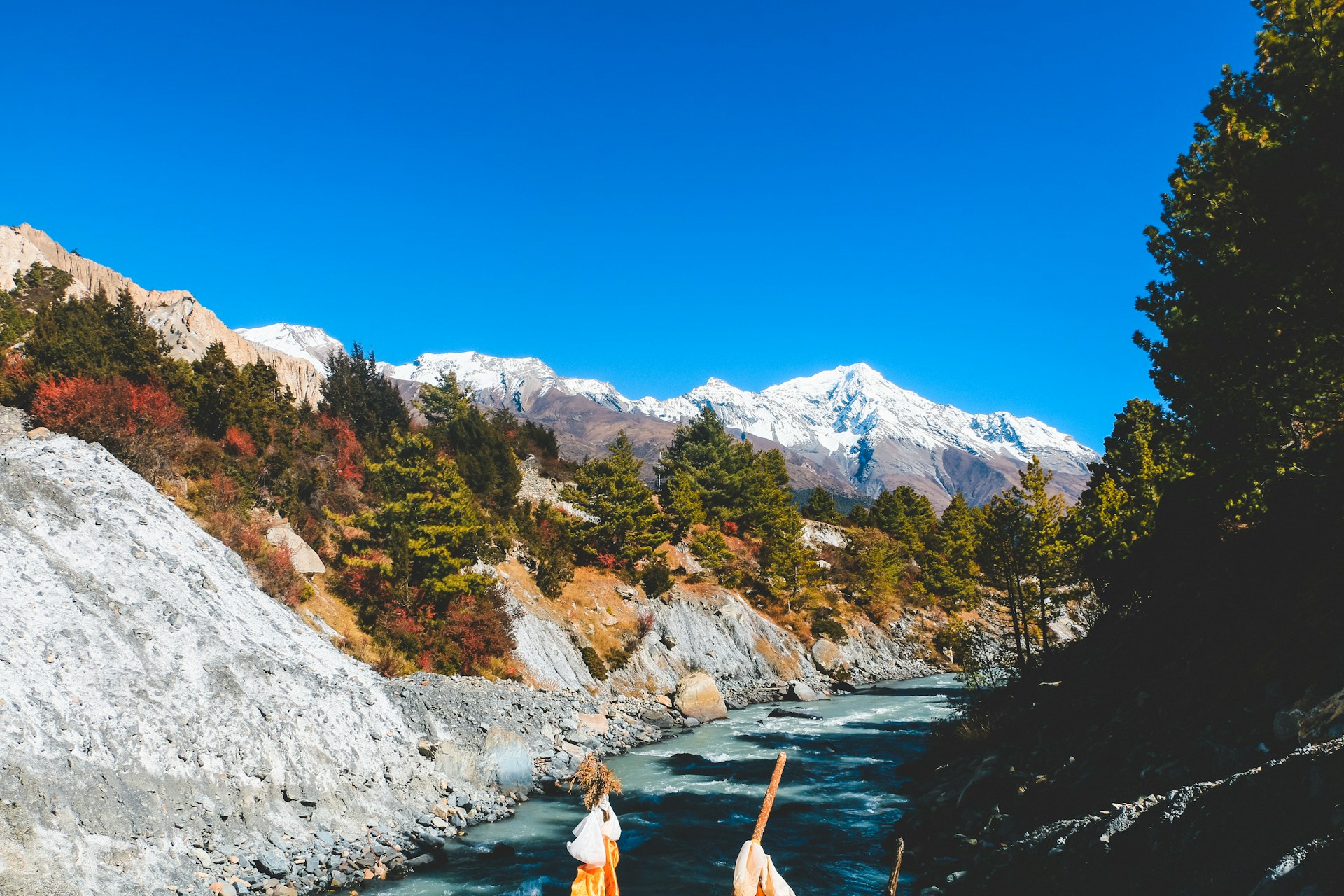
The Annapurna Circuit Trek is one of Nepal’s most rewarding mountain journeys, combining dramatic Himalayan landscapes, traditional mountain villages, diverse cultures, and the thrill of crossing one of the world’s highest trekking passes. The route circles the magnificent Annapurna massif and takes you from lower, warmer valleys into high-altitude alpine terrain before descending toward the Mustang and Manang regions.
Unlike treks that remain within one valley, the Annapurna Circuit offers remarkable geographical and cultural variety. Along the way, you can experience lush forests, terraced hillsides, rushing rivers, dry mountain landscapes, ancient monasteries, traditional settlements, and spectacular views of snow-covered peaks of the Annapurna and Dhaulagiri range. The journey becomes especially memorable when the trail reaches Thorang La Pass at 5,416 meters, one of the highest points of this classic circuit.
Whether you are an experienced trekker or preparing for your first major Himalayan adventure, proper planning before any travel is essential. Understanding the route, altitude, weather, road conditions, packing requirements, cultures, and safety precautions can make your experience more comfortable and enjoyable throughout the trip.
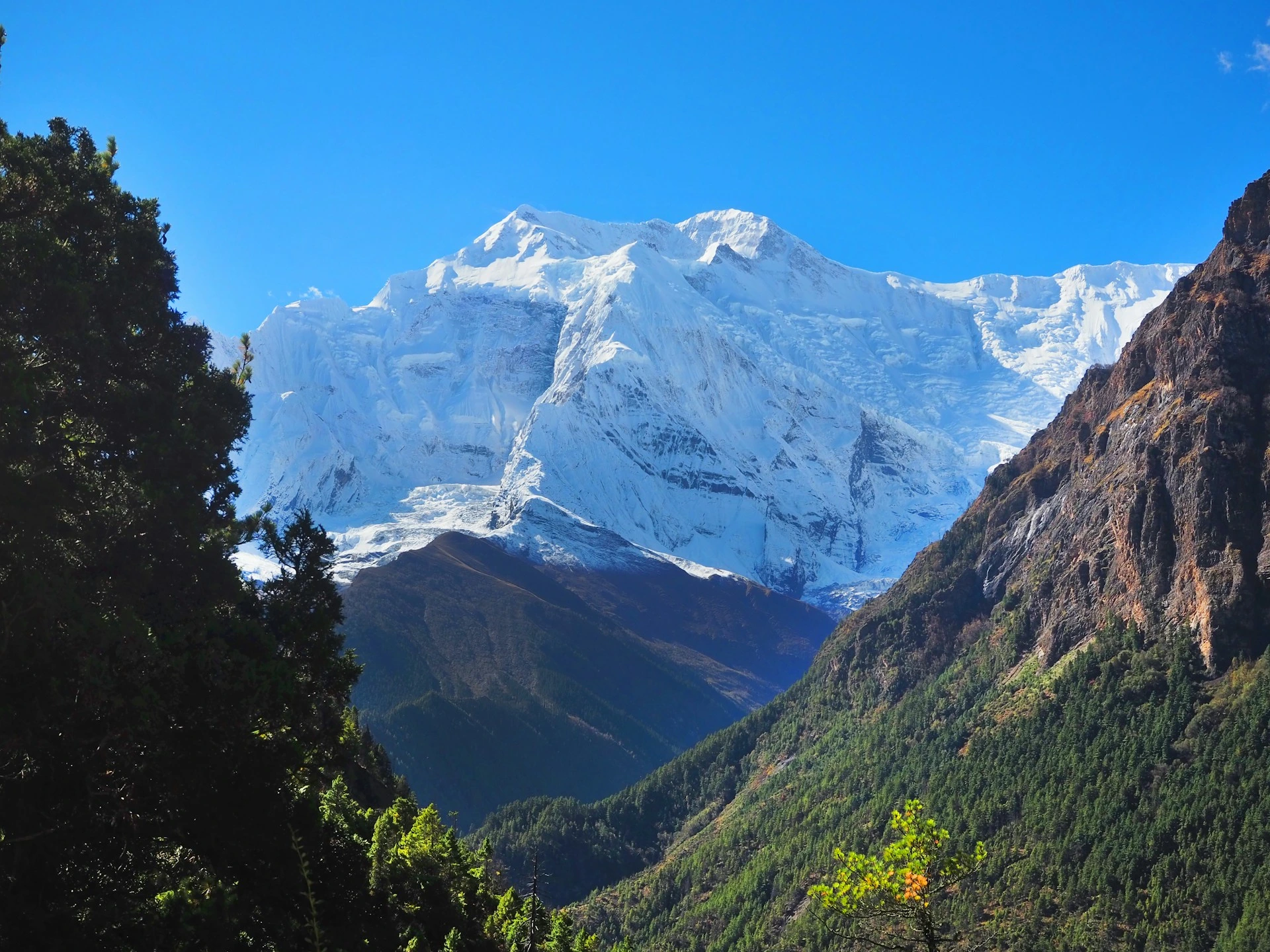
img: Scenic landscapes in Annapurna Circuit Trail
The Annapurna Circuit traditionally begins in the lower foothills and gradually follows the Marsyangdi River valley toward Manang. As the trail climbs higher, the landscape changes dramatically. Green hills and subtropical vegetation slowly give way to pine forests, rocky cliffs, dry valleys, and high Himalayan terrain. One of the greatest attractions of the trek is the gradual change in scenery. You do not simply walk toward a single mountain viewpoint; instead, you experience an entire region and its changing environment. The trail passes through communities where traditional lifestyles remain an important part of everyday life. Depending on the itinerary and transportation arrangements, the starting and ending points can vary; however, most of the treks begin from Dharapani. After reaching there by jeep from Beshisahar, it ends in Pokhara. Modern road access has also changed parts of the traditional trekking route. Some sections can now be traveled by vehicle, while trekkers often choose alternative walking trails to experience quieter landscapes and villages. You will see numerous lakes and waterfalls along the way. On the way to Manang, you can enjoy fresh apples and apple dishes from an apple farm in Manang.
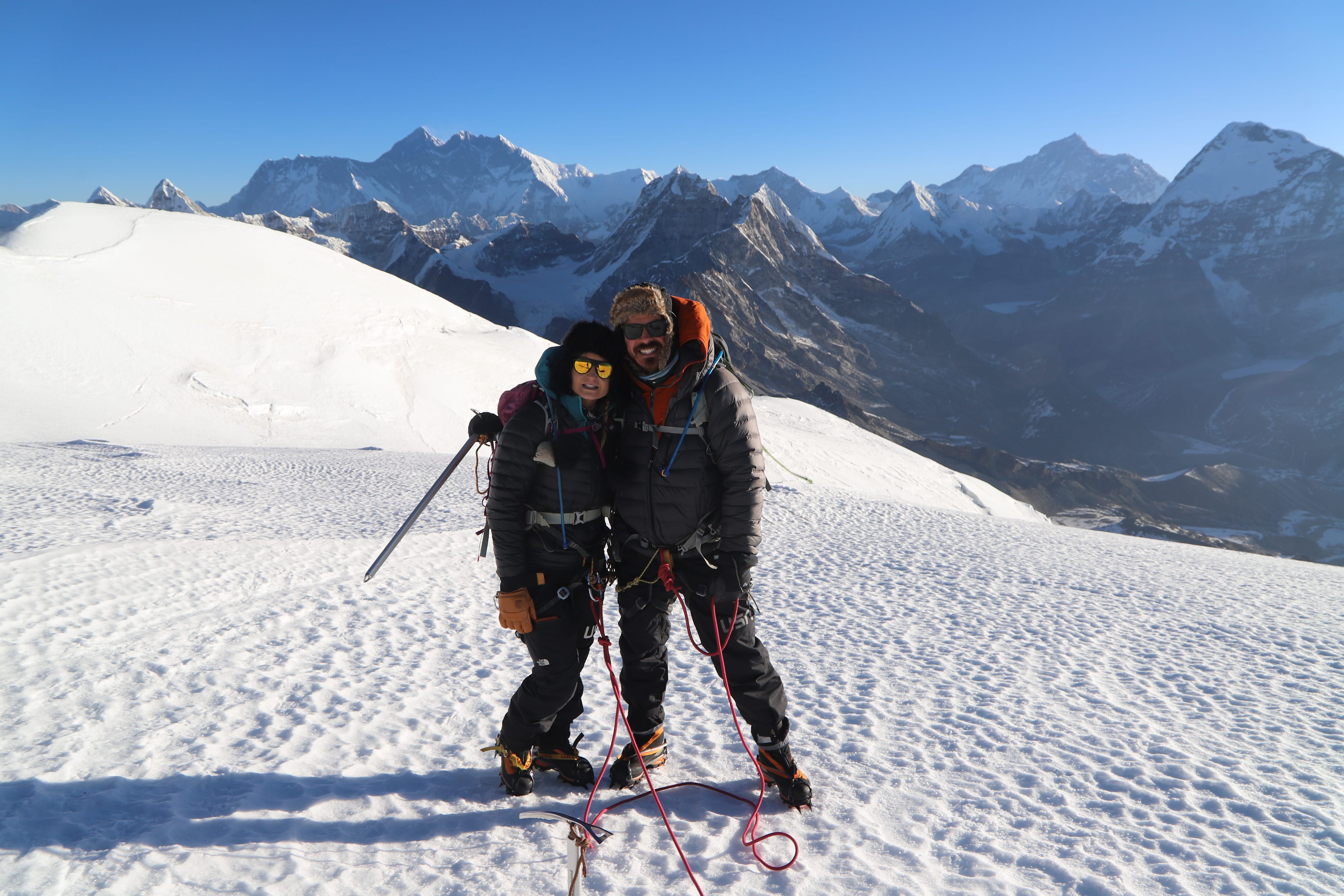
The highlight for many trekkers is the crossing of Thorang La Pass. Reaching the pass requires careful preparation because of the altitude, cold temperatures, wind, and physically demanding ascent. From the high point, you can enjoy the spectacular view of the Dhaulagiri and Annapurna range; the trail descends toward Muktinath and eventually into the dramatically different landscape of Mustang. Sometimes you can experience light snowfall there in the autumn season, which gives you a true Himalayan mountain experience. Crossing Thorang La Pass safely is one of the most important considerations on the Annapurna Circuit. At 5,416 meters, the pass is high enough for altitude-related problems to become a serious concern, especially for trekkers who ascend too quickly toward high altitudes.
The pass is normally crossed early in the morning. Starting around 4:30 or 5 AM helps you to take advantage of more stable conditions and provides enough time to complete the crossing before weather conditions deteriorate later in the day. The climb toward Thorang La can be physically demanding. The thin air makes even a moderate incline feel much harder than it would at lower elevations. Instead of trying to walk quickly, maintain a steady rhythm and take short breaks when necessary. Weather should also be taken seriously. Strong winds, snowfall, freezing temperatures, and poor visibility can make the pass considerably more difficult. If conditions become unsafe, it is better to postpone the crossing than to take unnecessary risks. From Jomsom, you will have a scenic flight to Pokhara that offers a last panoramic view of the Annapurna Ranges mountain.
Annapurna Circuit Trek Packing List
Preparing the right equipment can make a major difference during the trek. Your Annapurna Circuit trek packing list should balance comfort, warmth, safety, and weight. Essential clothing generally includes moisture-wicking base layers, warm insulating layers, a waterproof jacket, trekking trousers, warm pairs of trekking socks, gloves, a neck gaiter, caps, and a comfortable hat. Temperatures can change significantly between the lower valleys and high-altitude areas, so layering is more practical than carrying one extremely heavy jacket. A good pair of broken-in trekking boots is essential. Avoid wearing completely new footwear on the trek because blisters and foot pain can make long walking days unnecessarily difficult. Other useful items include a sleeping bag suitable for cold mountain conditions, sunglasses with good UV protection, sunscreen, a headlamp, water bottles or a hydration system, trekking poles, personal medication, basic first-aid supplies, toiletries, and a power bank. Your backpack should not become unnecessarily heavy. Pack only what you genuinely need and consider using a porter if you want to reduce the physical burden of carrying your equipment. Packing proper gear and safety during the treks.
For Checklist of gears and equipments, you can visit our Gear List For Trekking Guide.
Current Road Conditions on the Annapurna Circuit
Road development has changed the Annapurna Region considerably. Certain sections of the traditional trekking route now have motorable roads, meaning trekkers may encounter jeeps, buses, motorcycles, or other vehicles. Road conditions can vary depending on the season, weather, construction, landslides, and maintenance. During periods of heavy rainfall, some roads can become muddy or difficult to travel. In mountain areas, conditions can change quickly. For this reason, trekkers should check current road conditions on the Annapurna Circuit before starting the journey and remain flexible with their itinerary. Local guides, trekking agencies, transportation providers, and accommodation owners can provide useful updates about the condition of specific sections. Many trekkers choose walking alternatives wherever available because they provide a more peaceful experience and allow closer contact with the surrounding villages and landscapes.
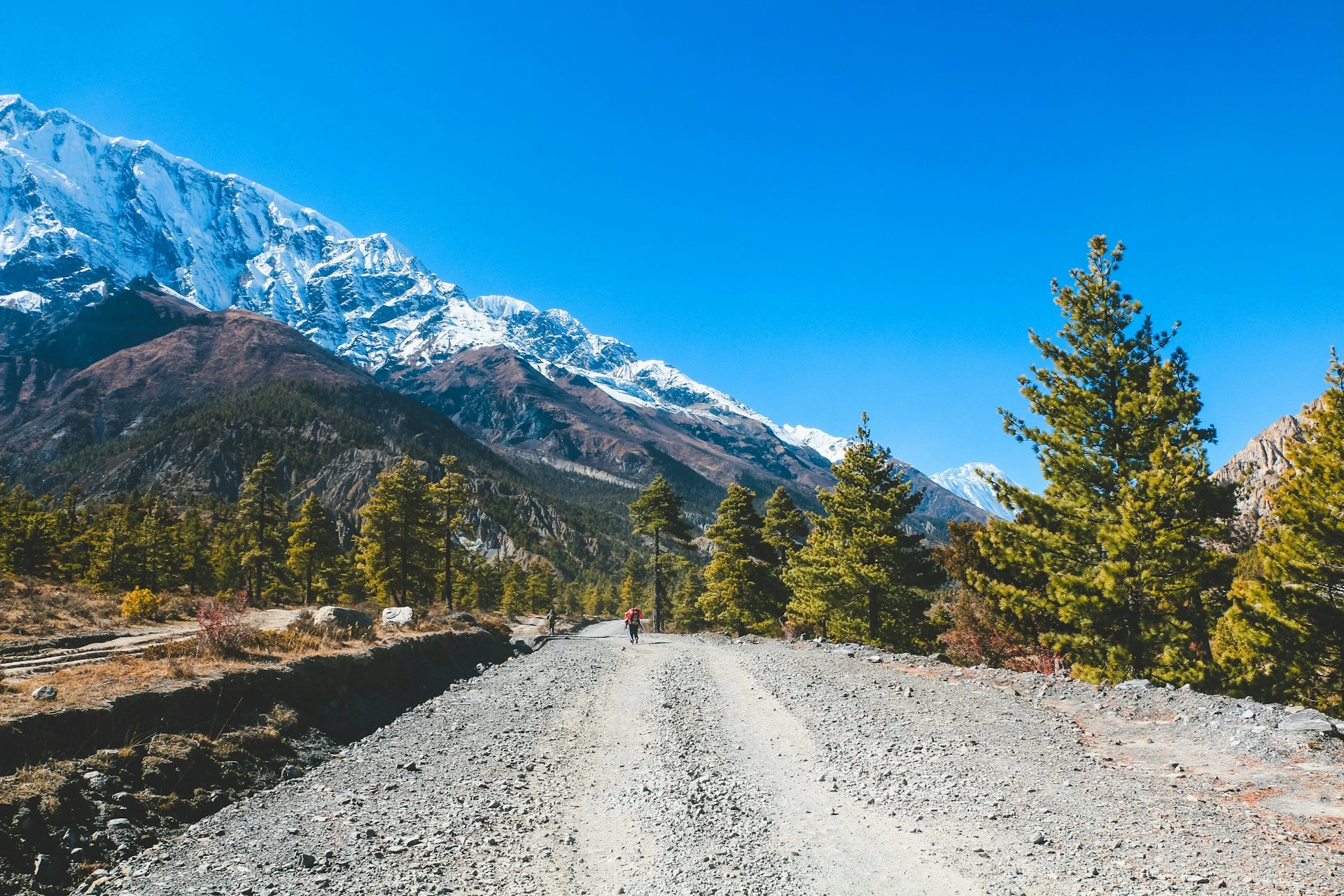
img: scenic trail crossing the Manang
Best Months for the Annapurna Circuit Trek
Choosing the right season is one of the most important decisions when planning the trek. The best months for the Annapurna Circuit Trek are generally during Nepal’s spring and autumn trekking seasons. Spring and autumn seasons are popular and the best seasons for trekking and expeditions in Nepal.
Spring, particularly March through May, brings relatively stable weather conditions and colorful landscapes. Rhododendrons bloom across many lower sections of the trail, adding vibrant scenery to the journey. Especially on the way to Ghorepani Poon Hill, you can enjoy the vibrant blooming rhododendron flowers with breathtaking Himalayan views.
Autumn, especially from October through November, is another highly popular period. Skies are often clearer, mountain views can be spectacular, and temperatures are generally comfortable for trekking. In the autumn, you can explore the Nepali's culture. Dashain and Tihar fall in mid-autumn, when Nepalese celebrate them for a month. During the autumn season, you can see the marigold flower in everyone's garden and along the way, which makes it more beautiful.
December can still provide excellent mountain views, but temperatures become increasingly cold, particularly at higher elevations. Winter conditions can make Thorang La more challenging, and heavy snowfall can sometimes make walking on the normal route difficult due to snow and ice, which makes the way more slippery. During winter, most of the teahouses are closed due to cold temperatures; they move to a lower region, which makes the trek more difficult.
The monsoon months bring frequent rainfall to much of the Annapurna region. However, the northern sections around Manang and Mustang lie in the rain-shadow area and can remain relatively dry. Even so, travelers should carefully consider trail and transportation conditions before choosing a monsoon itinerary. Trekking in monsoon is doable, but sometimes unstable weather may affect the routes and road availability.
What Makes the Annapurna Circuit Special?
The Annapurna Circuit is not only about reaching a high pass. The real beauty of the trek comes from the complete journey. The trail moves through multiple climatic zones, from green subtropical landscapes to alpine terrain. You can walk beside rivers, through forests, across suspension bridges, and past traditional stone houses before eventually entering the stark mountain environment above the tree line. The cultural experience is equally important. The region is home to communities with distinct traditions, languages, architecture, and religious practices. Buddhist monasteries, prayer flags, mani walls, chortens, wood prayer wheels, and mountain shrines can be seen along many sections of the trail. Villages such as Manang and other settlements along the route offer opportunities to learn about mountain life, experience local hospitality, and explore ancient monasteries and architecture.
Accommodation and Food
Tea houses and lodges are available throughout much of the Annapurna Circuit. Facilities vary by location, with larger settlements generally offering more basic services. Meals commonly include traditional Nepali dishes such as dal bhat (Rice and Lentil soup), as well as noodles, soups, rice dishes, potatoes, Tibetan-style foods, and other simple meals suitable for trekkers. Dal bhat (Rice and Lentil soup) is particularly popular because it provides carbohydrates, protein, and energy for long trekking days. Drinking enough water is also important, especially at higher elevations. It helps to keep your body warm.
Acclimatization and Altitude Awareness
Altitude is one of the biggest challenges of the Annapurna Circuit. As the route climbs above 3,000 meters, trekkers need to pay closer attention to how their bodies are responding. Symptoms such as headache, unusual tiredness, dizziness, nausea, or loss of appetite can occur at altitude. Mild symptoms should not simply be ignored, particularly if they are becoming worse. The safest approach is to ascend gradually and allow enough time for acclimatization. If serious symptoms develop, descending to a lower elevation is generally more important than continuing with the planned itinerary. A guide can be especially helpful because experienced local guides understand the terrain, weather patterns, available accommodation, and emergency procedures.
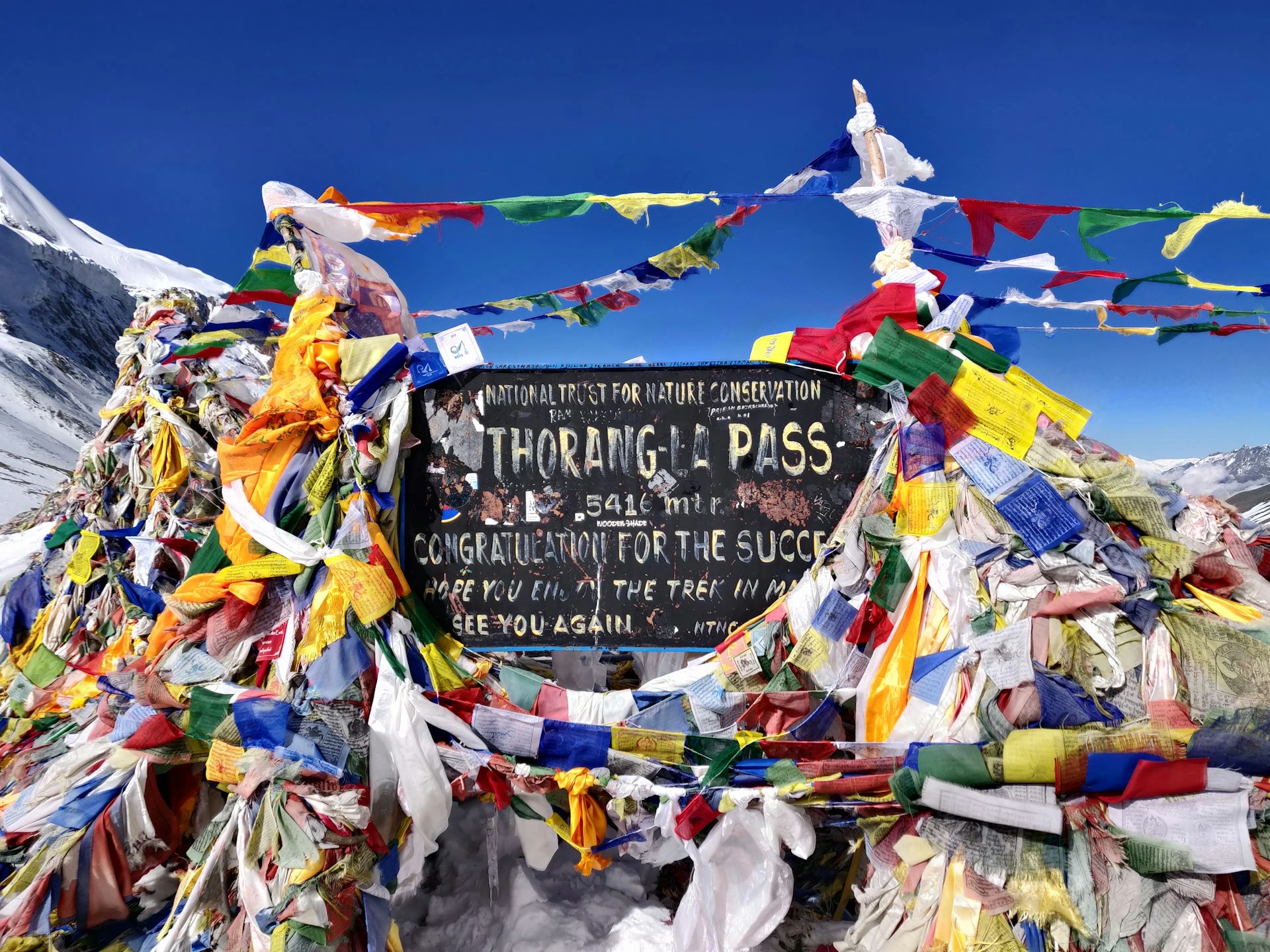
img: Thorang La Pass at the altitude of 5,416m
To Know more about Altitude Sickness and its precautations in deatail, You can visit our Guide on Common Challanges and How to Overcome Altitude Sickness.
A Responsible Way to Do a Trek
The Annapurna region is a sensitive mountain environment, and responsible tourism should be part of every trekker’s plan. Avoid leaving plastic, food packaging, batteries, or other waste along the trail. Use designated waste facilities where available and minimize single-use plastics whenever possible. It is not only about cleanliness but also about preserving nature for future generations. Respect local customs, religious sites, private homes, and cultural traditions. Ask permission before photographing people, particularly during religious ceremonies. Supporting local tea houses, restaurants, guides, porters, and small businesses also helps ensure that tourism benefits mountain communities.
The Annapurna Circuit Trek is an adventure that combines natural beauty, physical challenge, cultural discovery, and unforgettable Himalayan scenery. From the green valleys of the lower region to the high landscapes surrounding Thorang La Pass, every section of the journey offers something different. With proper preparation, appropriate clothing or gear, a carefully planned itinerary, good acclimatization, and awareness of changing weather and road conditions, you can make your trek more comfortable and easier. The Annapurna Circuit trek can be one of the most memorable experiences in Nepal. You will get a chance to experience warm and cold weather, from dense forest to Himalayan desert landscape.
If you are looking for a Himalayan adventure that takes you beyond simply reaching a mountain viewpoint, the Annapurna Circuit offers a complete journey through changing landscapes, traditional communities, and some of the most spectacular mountain scenery in Nepal.
|
Planning a Trip? Get a free consultation from our travel experts with over a decade of experience. |

Chhiring Phuti
Operation
Adventure Awaits — Let’s Begin Your Journey